

Information Details
Essential Features of Helium Leak Detection Equipment in Medical Applications
Essential Features of Helium Leak Detection Equipment in Medical Applications Introduction to Helium Leak Detection in Medical Devices The medical industry relies heavily on the integrity of its devices to ensure patient safety and effective treatment. **Helium leak detection equipment** plays a crucial role in this context, helping manufacturers identify potential leaks in medical devices, packag
Release time:
2025-11-15
Essential Features of Helium Leak Detection Equipment in Medical Applications
Introduction to Helium Leak Detection in Medical Devices
The medical industry relies heavily on the integrity of its devices to ensure patient safety and effective treatment. **Helium leak detection equipment** plays a crucial role in this context, helping manufacturers identify potential leaks in medical devices, packaging, and systems. By using helium, a small and inert gas, this technology offers unparalleled sensitivity and accuracy in leak detection.
Why Helium Leak Detection is Critical in Medical Applications
Understanding the critical nature of helium leak detection in medical applications requires examining the potential consequences of leaks. Leaks can lead to contamination, compromised sterility, and device failure, which can be detrimental to patient health. Therefore, implementing rigorous testing protocols ensures that medical devices meet strict regulatory standards and maintain their integrity.
Understanding the Technology Behind Helium Leak Detection
Helium leak detection involves utilizing helium as a tracer gas due to its small molecular size, making it capable of escaping even the tiniest defects. The equipment typically includes a **mass spectrometer** or a **sniffer method** to detect the presence of helium in the environment, indicating a leak.
The Process of Helium Leak Detection
1. **Preparation**: The device or packaging is sealed in a chamber that is pressurized with helium.
2. **Testing**: After a designated time, the chamber is evaluated for helium presence.
3. **Analysis**: The helium concentration is measured, and if detected beyond acceptable limits, a leak is indicated.
This efficient process makes helium leak detection an ideal choice for various medical applications.
Key Features of Helium Leak Detection Equipment
When selecting helium leak detection equipment for medical applications, several essential features should be considered:
1. High Sensitivity and Detection Limits
**Sensitivity** is paramount in leak detection. Equipment should ideally detect helium concentrations as low as parts per billion (ppb). This high level of sensitivity ensures that even the smallest leaks are identified, maintaining the integrity of medical devices.
2. Rapid Testing Capabilities
In the fast-paced medical industry, **speed** is crucial. Helium leak detection equipment should provide quick results to facilitate efficient production timelines without compromising accuracy.
3. Portability and Ease of Use
For many medical manufacturers, portability is important, especially in facilities where multiple testing stations are required. Equipment should be designed for easy transportation and intuitive operation to ensure that personnel can use it efficiently, even with minimal training.
4. Robust Data Management and Reporting
Comprehensive data management features are essential for compliance and quality control. Modern helium leak detection systems often come equipped with software that allows for the documentation of test results, trend analysis, and regulatory reporting, streamlining the process for manufacturers.
5. Compatibility with Various Medical Devices
Helium leak detection equipment should be versatile enough to test a wide range of medical devices and packaging types. This compatibility ensures that manufacturers can use a single device across multiple applications, saving both time and resources.
The Importance of Calibration and Maintenance
Regular **calibration** and maintenance of helium leak detection equipment are crucial for ensuring accuracy and reliability. Manufacturers should establish a routine maintenance schedule to check for potential issues and recalibrate the equipment as required. This proactive approach prevents inaccuracies that could affect patient safety.
Best Practices for Using Helium Leak Detection Equipment
To maximize the effectiveness of helium leak detection equipment, consider the following best practices:
- Always follow the manufacturer’s guidelines for setup and operation.
- Ensure that the testing environment is free of contaminants that may affect results.
- Maintain proper temperature and humidity conditions during testing to prevent interference.
- Regularly train staff on the operational protocols to maintain consistency in testing.
Applications of Helium Leak Detection in the Medical Industry
Helium leak detection equipment finds its applications in various areas within the medical field, including:
1. Testing Medical Device Packaging
Properly sealed packaging is essential for the sterility of medical devices. Helium leak detection equipment is used to ensure that packaging meets strict standards, preventing contamination and ensuring patient safety.
2. Evaluating Implants and Probes
Implants and probes must be leak-proof to maintain functionality and prevent bodily harm. Helium leak detection aids manufacturers in verifying the integrity of these critical devices.
3. Assessing Drug Delivery Systems
Drug delivery systems, such as inhalers and infusion pumps, require precision and reliability. Testing for leaks ensures that these systems deliver the correct dosage and remain safe for patient use.
4. Quality Control in Production
Integrating helium leak detection equipment into the quality control process allows manufacturers to swiftly identify defects, reducing the risk of faulty products reaching the market.
Regulatory Compliance and Standards for Medical Devices
The medical industry is governed by strict regulations to ensure safety and efficacy. Helium leak detection plays a significant role in meeting these standards. Compliance with ISO and FDA regulations is critical, and implementing helium leak detection can help manufacturers demonstrate adherence to these guidelines.
Common Standards to Consider
- **ISO 13485**: This standard outlines the requirements for a quality management system in the medical device industry.
- **FDA 21 CFR Part 820**: This regulation mandates quality system requirements for medical device manufacturers in the U.S.
By designing a quality control process that incorporates helium leak testing, manufacturers can ensure compliance and enhance product reliability.
Future Trends in Helium Leak Detection Technology
As technology continues to evolve, so too does helium leak detection equipment. Future trends include advancements in:
1. Automation and AI Integration
The integration of automation and artificial intelligence is expected to enhance testing efficiency, reduce human error, and produce more reliable results.
2. Enhanced Software Solutions
Future systems may include more sophisticated software for data analysis, allowing for real-time monitoring and predictive maintenance capabilities.
3. Miniaturization of Equipment
As the demand for portable solutions grows, manufacturers are likely to develop smaller, lightweight systems that maintain high sensitivity and accuracy.
Frequently Asked Questions (FAQs)
1. What is helium leak detection and how does it work?
Helium leak detection is a method of identifying leaks in materials or systems by using helium gas. The equipment detects helium that escapes from leaks, indicating the presence and severity of a defect.
2. Why is helium used for leak detection?
Helium is chosen due to its small molecular size, inert properties, and ability to escape through even the tiniest openings, making it highly effective for leak detection.
3. How sensitive is helium leak detection equipment?
High-quality helium leak detection equipment can detect helium concentrations as low as parts per billion (ppb), allowing for the identification of even the smallest leaks.
4. Is helium leak detection suitable for all medical devices?
Yes, helium leak detection is versatile and can be used for various medical devices, including packaging, implants, and drug delivery systems.
5. How often should helium leak detection equipment be calibrated?
Calibration frequency depends on usage, but it is generally recommended to calibrate the equipment regularly, according to the manufacturer's guidelines, to ensure accuracy.
Conclusion
In conclusion, helium leak detection equipment is an indispensable asset in the medical industry. Its ability to ensure the integrity of medical devices and packaging helps manufacturers maintain compliance with stringent regulations, thereby safeguarding patient health. By understanding the essential features, applications, and best practices related to helium leak detection, medical device manufacturers can enhance their quality control processes and ultimately provide safer, more reliable products to the market. Investing in high-quality helium leak detection equipment is not just a regulatory requirement but a commitment to excellence in patient care.
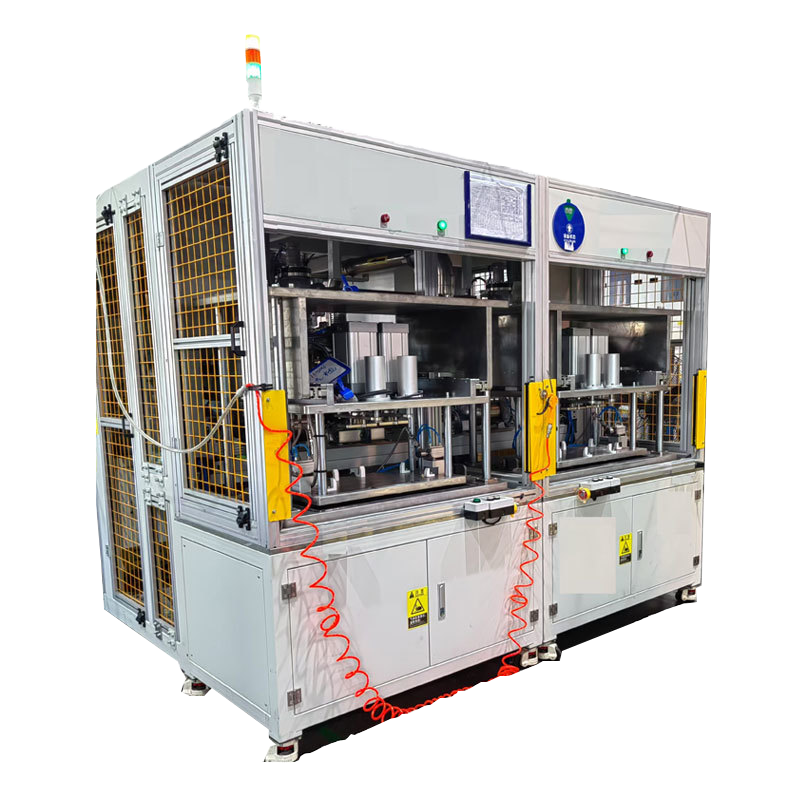
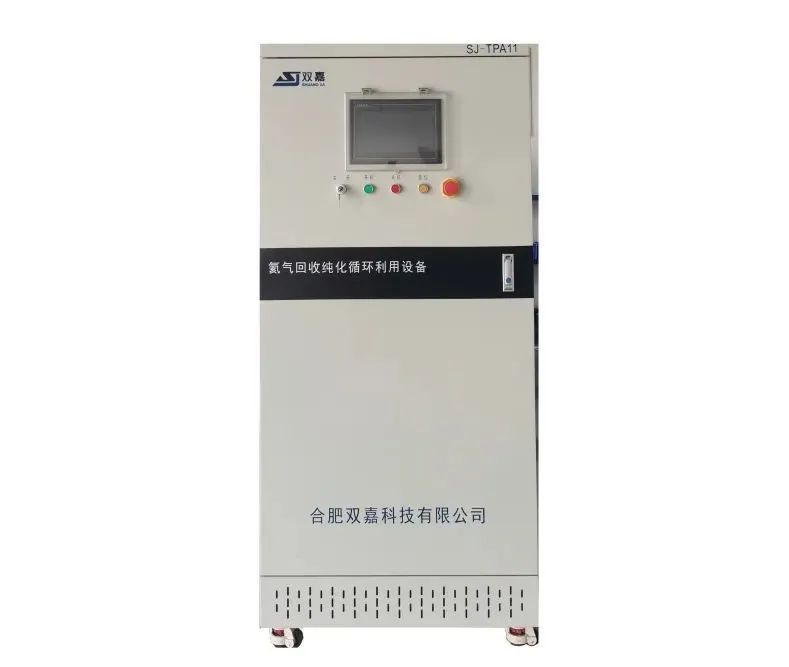
Helium leak detection equipment for medical use
Previous Page
Previous Page
Latest Blog


Add WeChat

Official account
Business Manager Chen
Technical Manager Ma
Address
Sports Intelligence Valley 507, Kexin Venture Service Center, 598 Fanhua West Road, Hefei City, Anhui Province
Copyright© Hefei Shuangjia Technology Co., Ltd www.300.cn SEO