

Information Details
Helium Gas Recovery Systems: Revolutionizing Leak Testing Equipment
Helium Gas Recovery Systems: Revolutionizing Leak Testing Equipment Table of Contents 1. Introduction to Helium Gas Recovery Systems 2. Understanding Leak Testing and Its Importance 3. Why Helium is the Preferred Gas for Leak Detection 4. Overview of Helium Gas Recovery Systems 5. Advantages of Implementing Helium Gas Recovery Systems 6. Applications of Helium Gas Recovery
Release time:
2026-08-12
Helium Gas Recovery Systems: Revolutionizing Leak Testing Equipment
Table of Contents
- 1. Introduction to Helium Gas Recovery Systems
- 2. Understanding Leak Testing and Its Importance
- 3. Why Helium is the Preferred Gas for Leak Detection
- 4. Overview of Helium Gas Recovery Systems
- 5. Advantages of Implementing Helium Gas Recovery Systems
- 6. Applications of Helium Gas Recovery Systems in Various Industries
- 7. Comparing Helium Recovery Systems with Traditional Methods
- 8. The Future of Helium Gas Recovery Systems in Leak Testing
- 9. Frequently Asked Questions
- 10. Conclusion
1. Introduction to Helium Gas Recovery Systems
In recent years, the demand for **efficient leak testing** methods has surged across various industries, from automotive to pharmaceuticals. One of the most revolutionary advancements in this field is the introduction of **helium gas recovery systems**. These systems not only enhance the precision of leak detection but also contribute to environmental sustainability by minimizing helium waste.
In this article, we explore the mechanics, benefits, applications, and future trends of helium gas recovery systems, demonstrating how they are revolutionizing leak testing equipment.
2. Understanding Leak Testing and Its Importance
Leak testing is a crucial process used to identify unwanted leaks in products, systems, or containers. It ensures product integrity, safety, and performance, which is vital in sectors such as aerospace, automotive, and consumer electronics.
The accuracy of leak detection methods directly impacts product reliability and can prevent catastrophic failures. Consequently, industries are increasingly turning towards advanced methods like helium leak testing to ensure optimal performance and safety.
3. Why Helium is the Preferred Gas for Leak Detection
Helium is favored in leak detection for several reasons:
3.1. Low Molecular Weight
Helium's low molecular weight allows it to quickly escape through even the tiniest of leaks, making it an excellent choice for sensitive leak detection applications.
3.2. Non-toxic and Non-flammable
Unlike many other gases, helium is inert, non-toxic, and non-flammable, making it safe to use in various environments.
3.3. Detectable at Low Concentrations
Helium can be detected at very low concentrations, significantly enhancing the sensitivity of leak testing systems.
Ultimately, these characteristics make helium an ideal candidate for rigorous **leak testing** across numerous industries.
4. Overview of Helium Gas Recovery Systems
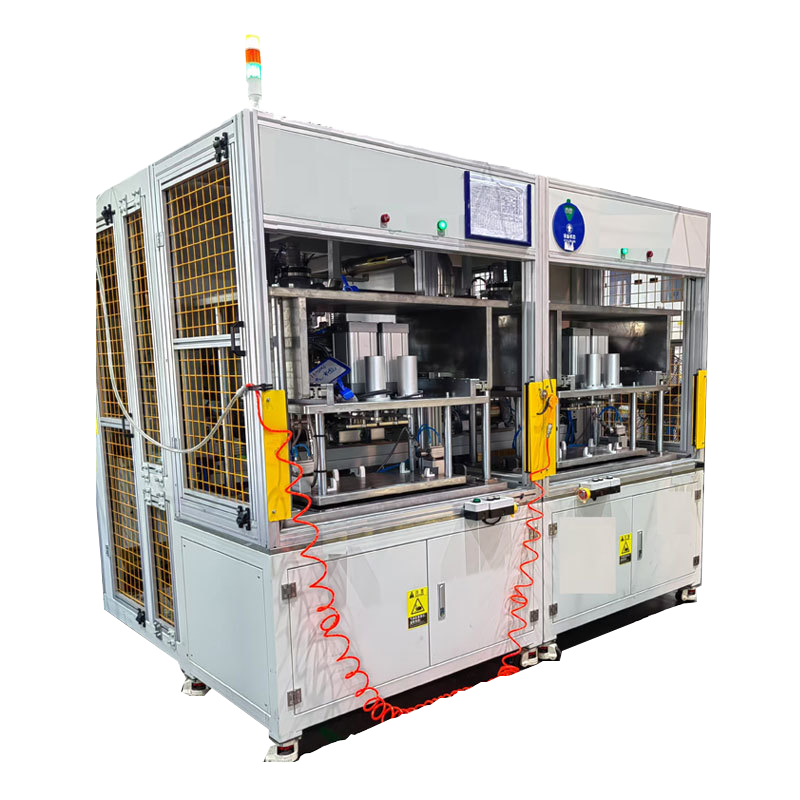
Helium gas recovery systems are designed to capture and recycle helium that escapes during the leak testing process. These systems typically include:
4.1. Capture Mechanisms
Advanced capture mechanisms that collect helium gas as it leaks from test specimens, preventing it from escaping into the atmosphere.
4.2. Purification Technologies
Purification technologies that remove contaminants from the recovered helium, allowing it to be reused for future tests.
4.3. Storage Solutions
Efficient storage solutions that store recovered helium securely for later use, minimizing waste and operational costs.
This combination of technologies results in a closed-loop system that enhances efficiency and sustainability.
5. Advantages of Implementing Helium Gas Recovery Systems
Integrating helium gas recovery systems into leak testing operations offers numerous advantages:
5.1. Cost Savings
By recycling helium, companies can significantly reduce operational costs associated with purchasing new helium gas. This cost-effectiveness is particularly beneficial in industries that conduct extensive leak testing.
5.2. Environmental Responsibility
Reducing helium waste contributes to environmental sustainability. As helium is a finite resource, its conservation is essential for the future.
5.3. Enhanced Testing Precision
Recovered helium can be reused, ensuring consistent gas quality and enhancing the accuracy of leak detection processes.
5.4. Compliance with Regulations
Many industries face stringent environmental regulations. Implementing recovery systems helps companies comply with these regulations, mitigating potential penalties.
6. Applications of Helium Gas Recovery Systems in Various Industries
Helium gas recovery systems find applications in various sectors, including:
6.1. Aerospace Industry
In the aerospace industry, helium is crucial for testing the integrity of fuel tanks and pressurized systems. Helium gas recovery systems ensure that testing is both efficient and eco-friendly.
6.2. Automotive Manufacturing
Automakers utilize helium leak testing to ensure the reliability of components such as fuel lines and air conditioning systems, with recovery systems helping to minimize costs.
6.3. Pharmaceutical Sector
In pharmaceuticals, the integrity of packaging is vital. Helium leak testing ensures that products remain uncontaminated, and recovery systems help maintain helium supplies.
6.4. Electronics Manufacturing
Electronics manufacturers rely on helium for testing the seals of components. Helium recovery systems in these environments enhance sustainability and reduce costs.
7. Comparing Helium Recovery Systems with Traditional Methods
Traditional leak testing methods often lead to significant helium waste and operational inefficiencies. In contrast, helium gas recovery systems provide:
7.1. Efficiency
Recovery systems allow for continuous use of helium, minimizing the need for constant replenishment.
7.2. Economical Use
Companies can operate more economically by reusing helium, which reduces overall testing costs.
7.3. Environmental Advantages
The environmental impact of helium waste is mitigated, aligning with corporate sustainability goals.
While traditional methods may still be relevant, helium gas recovery systems offer a more sophisticated solution tailored for modern leak testing requirements.
8. The Future of Helium Gas Recovery Systems in Leak Testing
The future of helium gas recovery systems looks promising. As industries continue to prioritize sustainability and efficiency, we can expect:
8.1. Technological Advancements
Ongoing innovations in recovery technologies will improve the efficiency and effectiveness of helium recovery systems.
8.2. Increased Adoption Across Industries
More sectors will likely adopt these systems to ensure compliance with environmental standards and reduce operational costs.
8.3. Integration with Smart Technologies
The integration of smart technologies, such as IoT sensors, will provide real-time monitoring and analysis of helium usage, optimizing recovery processes even further.
As these trends unfold, helium gas recovery systems will play an increasingly vital role in leak testing equipment across various industries.
9. Frequently Asked Questions
9.1. What is a helium gas recovery system?
A helium gas recovery system is a specialized system designed to capture and recycle helium used during the leak testing process, reducing waste and operational costs.
9.2. Why is helium used for leak testing?
Helium is preferred for leak testing due to its low molecular weight, non-toxic nature, and ability to be detected at very low concentrations.
9.3. How do helium gas recovery systems work?
These systems work by capturing helium that escapes during testing, purifying it, and storing it for reuse, creating a closed-loop system.
9.4. What industries benefit from helium gas recovery systems?
Industries such as aerospace, automotive, pharmaceuticals, and electronics manufacturing significantly benefit from helium gas recovery systems.
9.5. Are there any regulations regarding the use of helium in testing?
Yes, many industries are subject to environmental regulations that encourage or mandate the reduction of helium waste, making recovery systems beneficial for compliance.
10. Conclusion
Helium gas recovery systems are at the forefront of revolutionizing leak testing equipment. By enhancing efficiency, reducing costs, and promoting environmental sustainability, these systems represent a significant advancement in the field of leak detection. As we move towards a more sustainable future, the adoption of helium recovery technologies will likely increase across various industries, ensuring that precision and environmental responsibility go hand in hand. Embracing these systems not only benefits organizations economically but also aligns with global sustainability goals, paving the way for more responsible industrial practices.
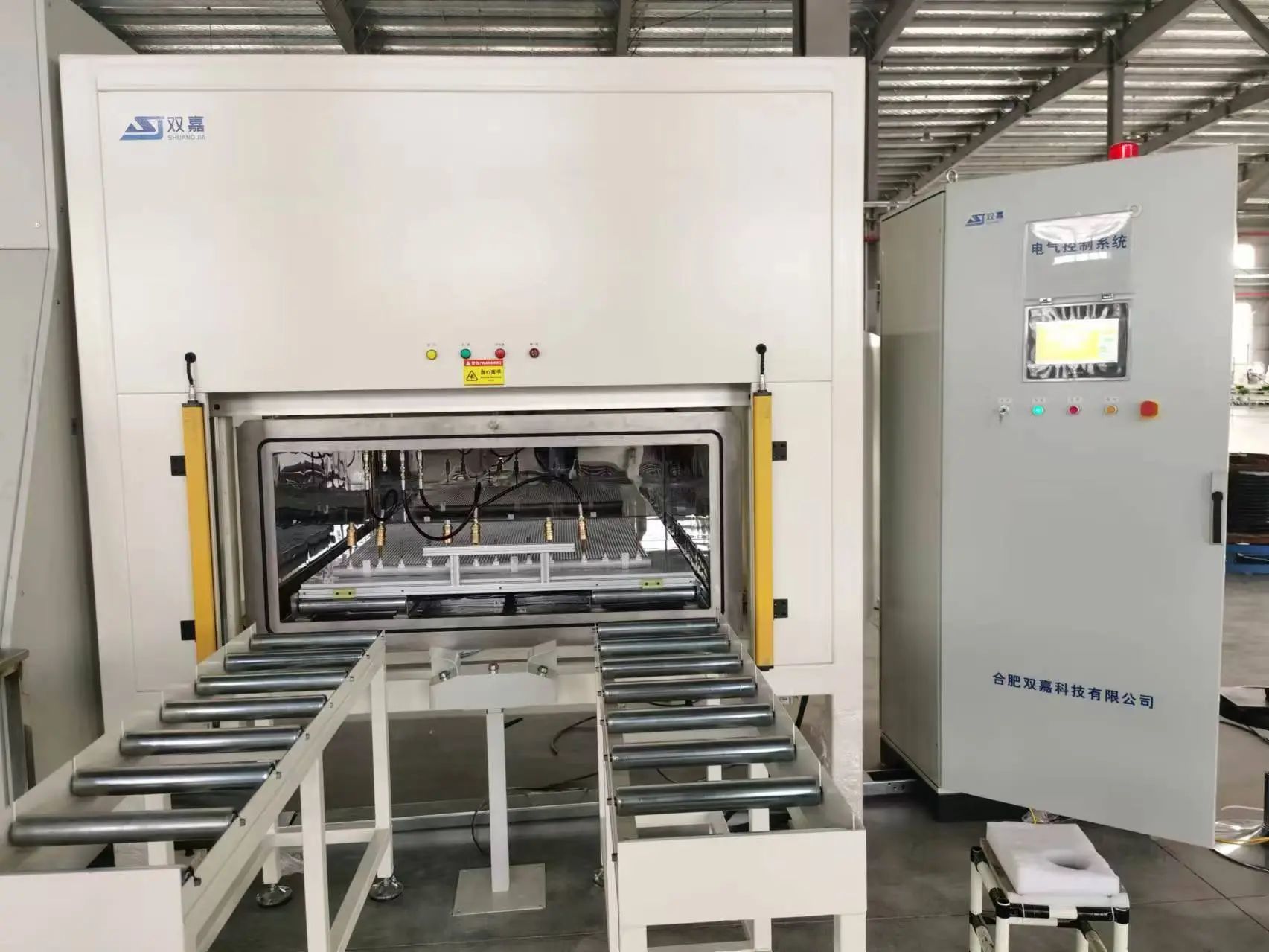
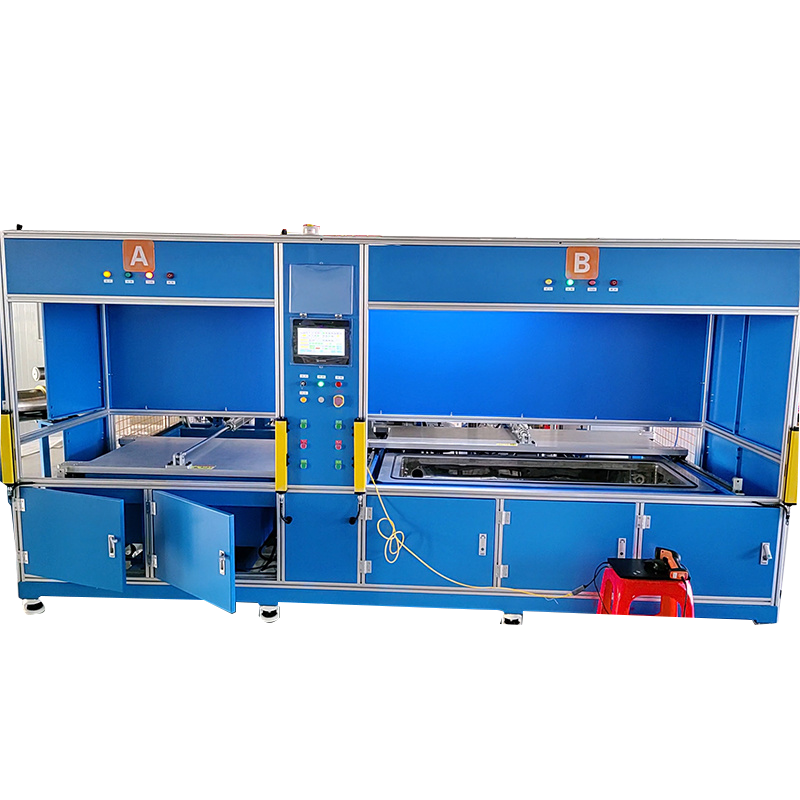
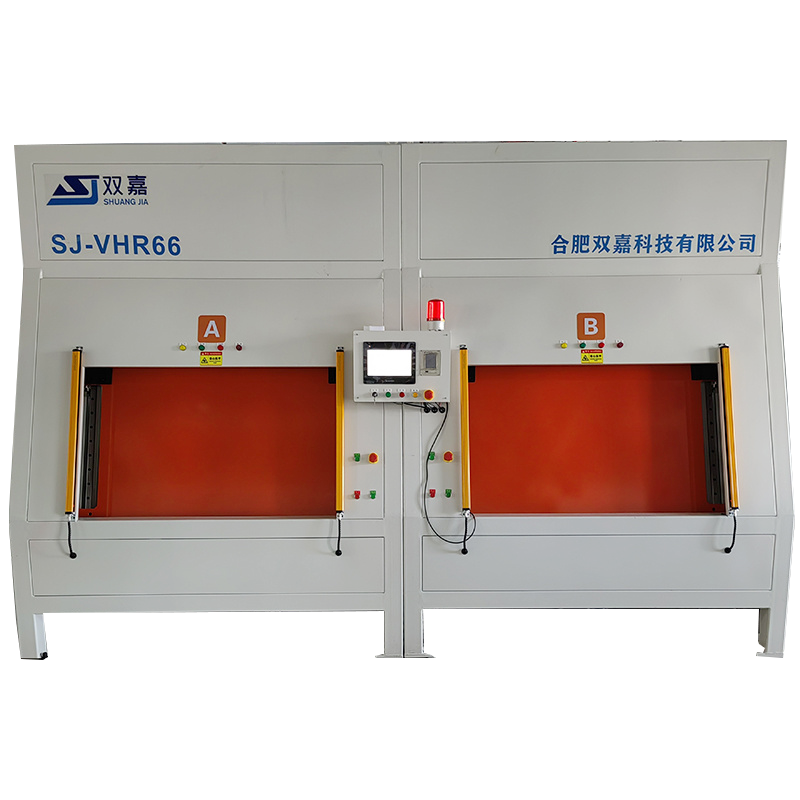
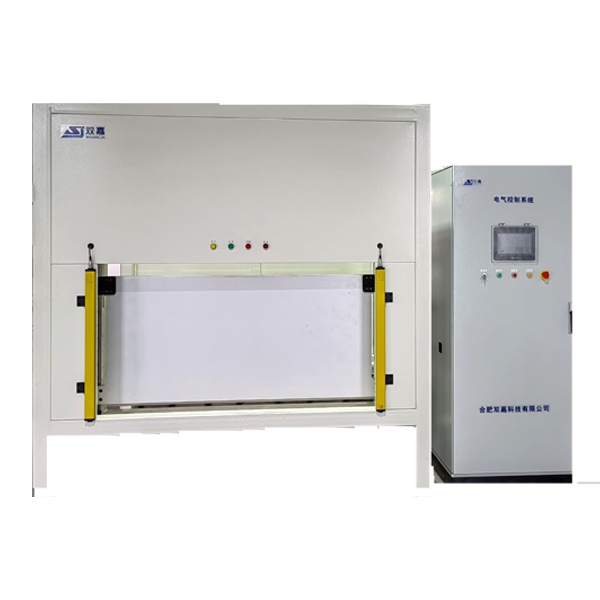
Helium gas recovery system
Latest Blog

Add WeChat

Official account
Business Manager Chen
Technical Manager Ma
Address
Sports Intelligence Valley 507, Kexin Venture Service Center, 598 Fanhua West Road, Hefei City, Anhui Province
Copyright© Hefei Shuangjia Technology Co., Ltd www.300.cn SEO