

Information Details
Understanding Vacuum System Helium Test Benches: Essential Insights for Leak Detection
In the world of instruments and packaging testing equipment, leak detection is paramount, especially when it comes to maintaining product integrity and safety. One of the most effective methods for detecting leaks is the use of a vacuum system helium test bench. But what exactly is this system, and why is it so important? A vacuum system helium test bench operates on the principle of utilizing hel
Release time:
2025-12-20
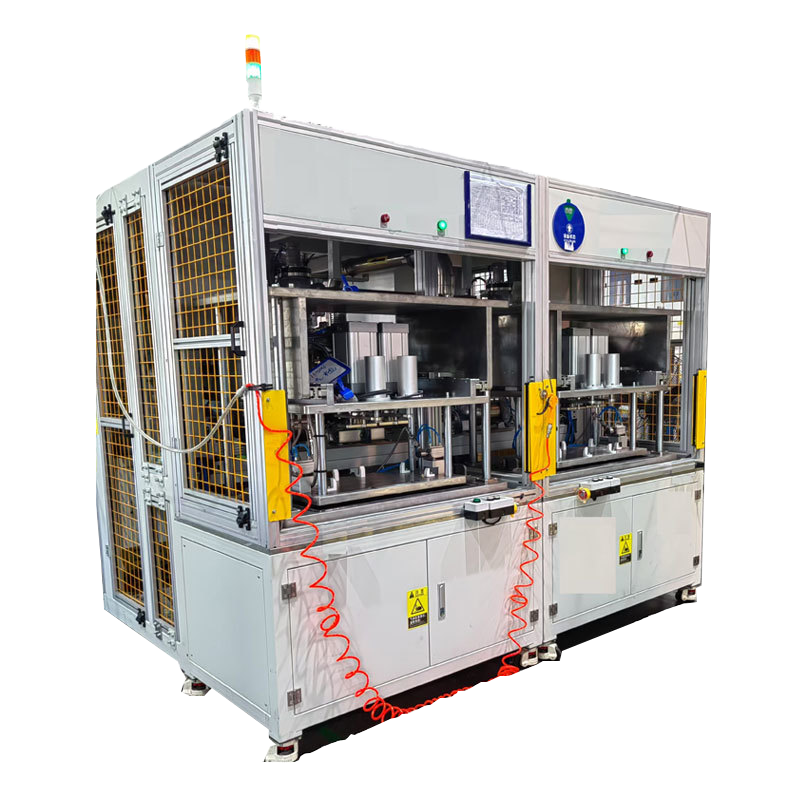
A vacuum system helium test bench operates on the principle of utilizing helium, a small and light molecule, which can easily escape through even the tiniest of leaks. The process begins by placing the test specimen—be it a package or component—inside a vacuum chamber. The chamber is then evacuated to create a low-pressure environment. Once the vacuum is established, helium is introduced into the chamber. If there are any leaks in the test specimen, the helium will seep through, allowing for accurate detection.
One of the primary advantages of using helium for leak detection is its unique physical properties. Helium is non-toxic, non-flammable, and has a very low background presence in the atmosphere, which enhances the sensitivity of leak detection. In comparison to other gases, helium can detect minute leaks that would otherwise go unnoticed, making it an essential tool for quality assurance and control in various industries.
The components of a vacuum system helium test bench typically include a vacuum pump, a helium mass spectrometer, and specialized fittings to ensure a leak-tight system. The vacuum pump creates the necessary vacuum environment, while the mass spectrometer is crucial for detecting the presence of helium molecules. When the system is properly calibrated, it provides real-time data about the integrity of the test subjects, ensuring that manufacturers can identify and rectify any issues before products reach the market.
In practice, this technology is widely used across several industries, including pharmaceuticals, electronics, automotive, and food packaging. Each of these sectors requires stringent quality controls to ensure that their products remain safe and effective throughout their lifecycle. The vacuum system helium test bench serves as a reliable method to uphold these standards.
In conclusion, the vacuum system helium test bench is an indispensable tool in the field of leak detection. Understanding its operational principles and components is essential for anyone involved in packaging testing equipment. As industries continue to prioritize quality and safety, the role of helium leak detection will become even more critical, ensuring that products meet rigorous standards and consumer expectations. By embracing these technologies, businesses can enhance their testing processes and maintain a competitive edge in the market.
Vacuum system helium test bench
Latest Blog


Add WeChat

Official account
Business Manager Chen
Technical Manager Ma
Address
Sports Intelligence Valley 507, Kexin Venture Service Center, 598 Fanhua West Road, Hefei City, Anhui Province
Copyright© Hefei Shuangjia Technology Co., Ltd www.300.cn SEO