

Information Details
Understanding Helium Purification Systems: Essential Insights for Industrial Applications
In various industrial applications, helium plays a crucial role due to its unique properties, such as being non-toxic, inert, and possessing a low density. However, the presence of impurities can significantly affect the performance and quality of helium. This is where helium purification systems become essential. Understanding these systems can provide valuable insights for businesses seeking to
Release time:
2026-02-28
A helium purification system is designed to remove contaminants from helium gas. The contaminants may include moisture, hydrocarbons, and other gaseous impurities. The purification process typically involves several stages, including filtration, adsorption, and cryogenic distillation. Each of these stages is crucial in achieving the desired purity levels, which are vital for applications in fields such as electronics, aerospace, and medical technologies.
One of the key benefits of implementing a helium purification system is the enhancement of operational efficiency. By ensuring that the helium used in various processes is of high purity, industries can reduce the risk of equipment malfunction and failures caused by impurities. This leads to increased reliability and longevity of machinery, ultimately resulting in cost savings and improved productivity.
Moreover, helium purification systems contribute to sustainability efforts within industrial operations. Helium is a finite resource, and its conservation is becoming increasingly important. By purifying and reusing helium, companies can minimize waste and reduce the environmental impact associated with helium extraction and consumption. This aligns with the growing emphasis on sustainable practices across industries, making it a crucial consideration for modern businesses.
Compliance with industry standards is another critical aspect of helium purification systems. Many industries are subject to stringent regulations concerning the quality of gases used in their operations. By utilizing a reliable purification system, businesses can ensure they meet these regulatory requirements, thus avoiding potential legal issues and maintaining their reputation in the market.
In conclusion, helium purification systems play a vital role in the industrial sector, particularly within air purification equipment. They not only enhance operational efficiency and promote sustainability but also ensure compliance with industry standards. For businesses seeking to improve their processes and maintain a competitive edge, investing in a high-quality helium purification system should be a priority. By understanding the importance and functionalities of these systems, companies can better navigate their operational challenges and drive success in their respective fields.
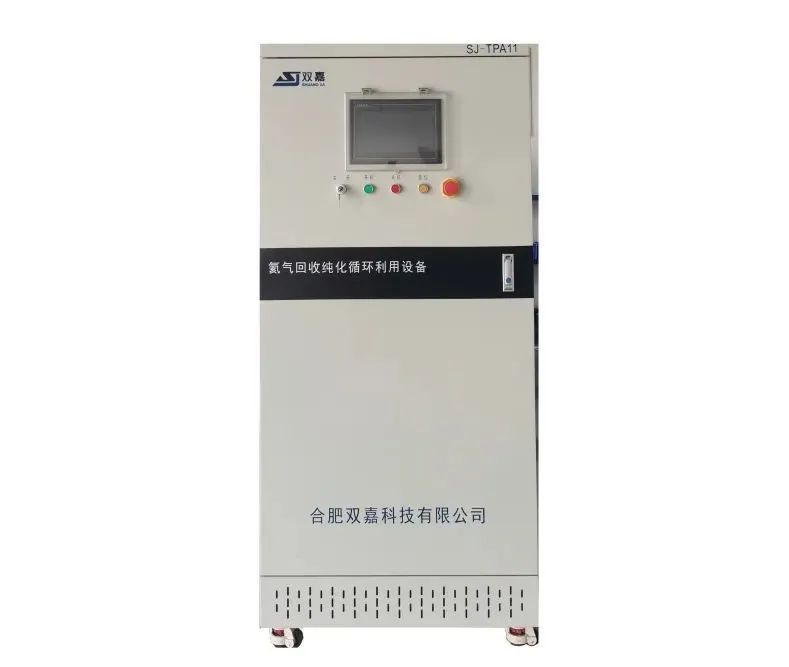
Helium purification system
Previous Page
Previous Page
Latest Blog


Add WeChat

Official account
Business Manager Chen
Technical Manager Ma
Address
Sports Intelligence Valley 507, Kexin Venture Service Center, 598 Fanhua West Road, Hefei City, Anhui Province
Copyright© Hefei Shuangjia Technology Co., Ltd www.300.cn SEO