

Information Details
How a Helium Gas Recovery System Can Enhance Your Packaging Testing Processes
How a Helium Gas Recovery System Can Enhance Your Packaging Testing Processes Table of Contents 1. Introduction to Helium Gas Recovery Systems 2. The Importance of Packaging Testing 3. Benefits of Using Helium in Packaging Testing 4. Applications of Helium Gas Recovery Systems 5. How Helium Gas Recovery Systems Work 6. Best Practices for Implementing Helium Gas Recovery Sy
Release time:
2026-03-21
How a Helium Gas Recovery System Can Enhance Your Packaging Testing Processes
Table of Contents
- 1. Introduction to Helium Gas Recovery Systems
- 2. The Importance of Packaging Testing
- 3. Benefits of Using Helium in Packaging Testing
- 4. Applications of Helium Gas Recovery Systems
- 5. How Helium Gas Recovery Systems Work
- 6. Best Practices for Implementing Helium Gas Recovery Systems
- 7. Case Studies: Success Stories of Helium Systems in Action
- 8. Frequently Asked Questions
- 9. Conclusion
1. Introduction to Helium Gas Recovery Systems
In today's competitive market, the integrity of product packaging is crucial for businesses aiming to maintain quality and ensure customer satisfaction. **Helium gas recovery systems** have emerged as a game-changing solution for enhancing packaging testing processes. By efficiently detecting leaks and improving the airtightness of packages, these systems not only help in maintaining product quality but also contribute to cost savings and environmental sustainability.
2. The Importance of Packaging Testing
Packaging testing is a critical component of product development across various industries, including food and beverage, pharmaceuticals, and electronics. The following aspects highlight the importance of effective packaging testing:
2.1 Ensuring Product Integrity
Effective packaging testing guarantees that products remain safe and effective throughout their shelf life. This is particularly critical for products sensitive to environmental conditions, such as perishables or pharmaceuticals.
2.2 Compliance with Industry Standards
Many industries have strict regulations regarding packaging. Proper testing ensures compliance with these standards, helping businesses avoid legal issues and costly recalls.
2.3 Enhancing Customer Satisfaction
A well-packaged product instills confidence in customers. By ensuring that packaging is leak-proof and reliable, companies can enhance customer satisfaction and loyalty.
2.4 Cost Efficiency
Identifying and rectifying packaging issues early in the production process can save companies significant amounts of money, reducing waste and minimizing the need for rework.
3. Benefits of Using Helium in Packaging Testing
The use of helium in packaging testing offers numerous advantages that enhance the overall effectiveness of testing processes.
3.1 High Sensitivity for Leak Detection
Helium is an ideal tracer gas due to its small atomic size, allowing it to leak through even the tiniest holes in packaging. This ensures that any potential leaks are detected promptly.
3.2 Non-Toxic and Safe
Unlike some other gases used for leak detection, helium is non-toxic, inert, and environmentally friendly. This makes it safe for use in a variety of applications without posing health risks to workers or consumers.
3.3 Cost-Effective Solution
While helium may initially seem expensive, the long-term savings achieved through reduced product loss and increased testing efficiency make it a cost-effective choice.
3.4 Improved Testing Speed
The rapid detection capabilities of helium gas systems enable faster testing processes, allowing for quicker turnaround times in production and ensuring products reach the market sooner.
4. Applications of Helium Gas Recovery Systems
Helium gas recovery systems find diverse applications across multiple industries, reflecting their versatility and effectiveness.
4.1 Food and Beverage Industry
In the food and beverage sector, maintaining product freshness is paramount. Helium leak detection is instrumental in ensuring that packaging remains airtight, preventing spoilage and extending shelf life.
4.2 Pharmaceutical Sector
For pharmaceuticals, ensuring the integrity of packaging is crucial for patient safety. Helium systems verify that packaging is airtight, safeguarding medications from contamination and degradation.
4.4 Electronics Manufacturing
In electronics, packages must protect sensitive components from moisture and dirt. Helium leak detection helps ensure that packaging meets stringent quality standards, preventing product failure.
5. How Helium Gas Recovery Systems Work
Understanding how helium gas recovery systems operate is essential for implementing them effectively in your packaging testing processes.
5.1 The Helium Leak Detection Process
The process begins with introducing helium into the package. If there are any leaks, helium will escape through the openings, which can then be detected by specialized sensors.
5.2 Recovery and Reuse of Helium
Advanced helium gas recovery systems are designed to capture and recycle helium, reducing waste and lowering costs. This recovery process involves filtering and purifying the gas for reuse in subsequent tests.
6. Best Practices for Implementing Helium Gas Recovery Systems
To maximize the effectiveness of helium gas recovery systems, consider the following best practices.
6.1 Regular Maintenance and Calibration
Ensure that your helium leak detection systems are regularly maintained and calibrated. This guarantees accurate readings and extends the lifespan of the equipment.
6.2 Employee Training
Invest in training for employees on the operation and maintenance of helium systems. Proper training enhances efficiency and ensures safety while using the equipment.
6.3 Integrating with Quality Control
Integrating helium leak detection into your overall quality control processes helps to streamline operations and ensure that packaging meets established standards.
7. Case Studies: Success Stories of Helium Systems in Action
Examining real-world applications of helium gas recovery systems can provide valuable insights.
7.1 Case Study 1: Food Packaging Company
A leading food packaging company implemented a helium leak detection system that reduced spoilage by 30%. The ability to identify and rectify leaks early in the packaging process significantly improved product quality.
7.2 Case Study 2: Pharmaceutical Manufacturer
A pharmaceutical manufacturer adopted helium gas recovery systems to ensure the integrity of its product packaging. This move resulted in a 25% decrease in packaging-related quality control failures.
8. Frequently Asked Questions
8.1 What are the main advantages of using helium for leak detection?
Helium offers high sensitivity, safety, cost efficiency, and rapid testing capabilities, making it an ideal choice for packaging testing.
8.2 Is helium gas recovery environmentally friendly?
Yes, helium is non-toxic and inert, and recovery systems minimize waste by recycling the gas for repeated use.
8.3 How often should helium leak detection systems be calibrated?
It is recommended to calibrate helium systems at least once a year or more frequently depending on usage.
8.4 Can helium leak detection be used for all packaging types?
While helium is effective for many packaging types, it is important to assess compatibility with specific materials and designs.
8.5 What industries benefit the most from helium gas recovery systems?
Key industries benefiting from helium leak detection include food and beverage, pharmaceuticals, and electronics manufacturing.
9. Conclusion
Incorporating a helium gas recovery system into your packaging testing processes can significantly enhance efficiency, accuracy, and sustainability. By leveraging the advantages of helium for leak detection, businesses can ensure the integrity of their products while also reducing costs and environmental impact. As industries continue to evolve, embracing advanced technologies like helium gas recovery will position companies for success in an increasingly competitive marketplace.
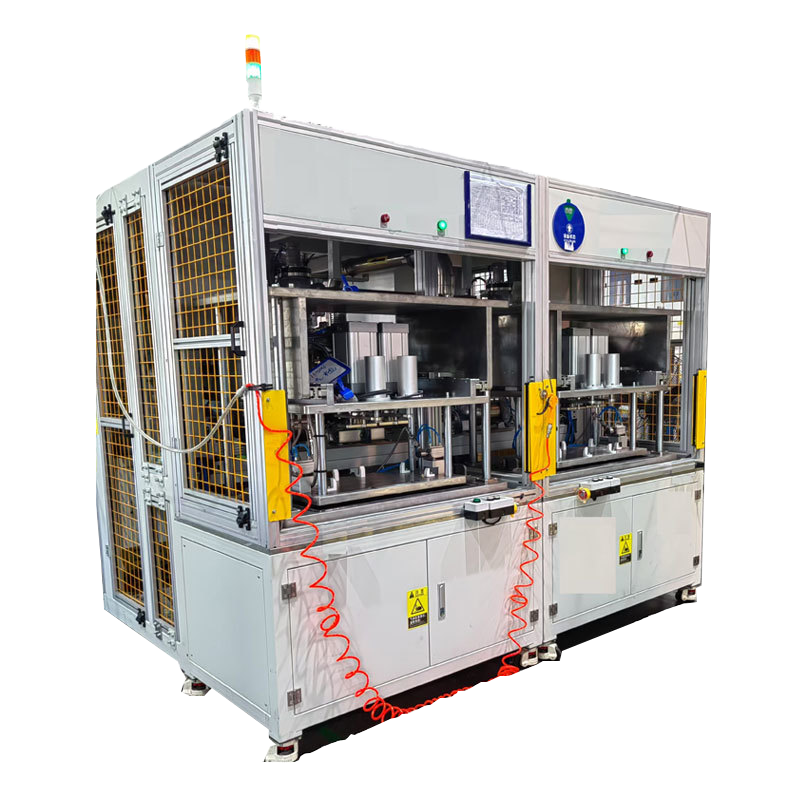
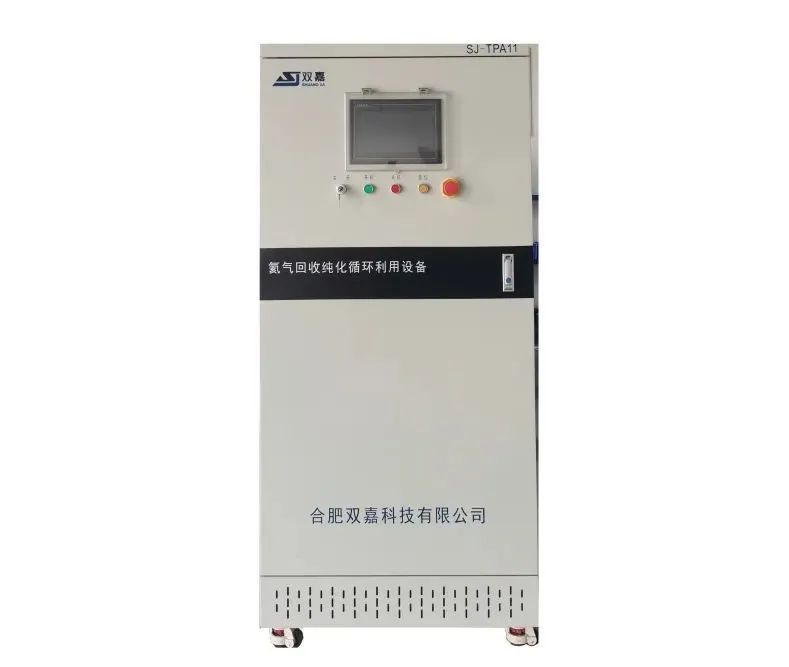
Helium gas recovery system
Latest Blog


Add WeChat

Official account
Business Manager Chen
Technical Manager Ma
Address
Sports Intelligence Valley 507, Kexin Venture Service Center, 598 Fanhua West Road, Hefei City, Anhui Province
Copyright© Hefei Shuangjia Technology Co., Ltd www.300.cn SEO