

Information Details
How a Helium Recovery System Can Enhance Your Vacuum Chamber Performance
How a Helium Recovery System Can Enhance Your Vacuum Chamber Performance Table of Contents 1. Introduction to Helium Recovery Systems 2. Understanding Vacuum Chambers and Their Applications 3. The Role of Helium in Vacuum Technology 3.1. Properties of Helium 3.2. Importance of Helium in Various Industries 4. What is a Helium Recovery System? 5. Key Benefits of a Helium Recovery System 5.1. Cost Ef
Release time:
2026-04-04
How a Helium Recovery System Can Enhance Your Vacuum Chamber Performance
Table of Contents
1. Introduction to Helium Recovery Systems
2. Understanding Vacuum Chambers and Their Applications
3. The Role of Helium in Vacuum Technology
3.1. Properties of Helium
3.2. Importance of Helium in Various Industries
4. What is a Helium Recovery System?
5. Key Benefits of a Helium Recovery System
5.1. Cost Efficiency
5.2. Environmental Impact
5.3. Improved Operational Efficiency
6. How to Integrate Helium Recovery Systems in Your Setup
6.1. Assessing Your Current Vacuum Chamber
6.2. Choosing the Right Helium Recovery System
7. Maintenance and Best Practices for Helium Recovery Systems
8. Frequently Asked Questions (FAQs)
9. Conclusion
1. Introduction to Helium Recovery Systems
In today's fast-paced industrial landscape, improving operational efficiency is crucial. One effective way to achieve this is through the implementation of a **helium recovery system** within your vacuum chamber operations. These systems are designed to capture and recycle helium, reducing waste and enhancing overall performance. As industries increasingly seek sustainable solutions, understanding the benefits and functionalities of helium recovery is essential.
2. Understanding Vacuum Chambers and Their Applications
Vacuum chambers are essential tools in various sectors, including manufacturing, research, and quality control. They create a low-pressure environment, which is critical for processes such as:
- **Material testing**: Evaluating the properties of materials under vacuum conditions.
- **Thin film deposition**: Applying coatings to materials for improved durability and functionality.
- **Leak detection**: Identifying faults in packaging or systems that can compromise integrity.
Understanding the specifications of your vacuum chamber and its applications can lead to more informed decisions about integrating helium recovery systems.
3. The Role of Helium in Vacuum Technology
Helium is a noble gas known for its unique properties, making it a valuable resource in various vacuum applications.
3.1. Properties of Helium
Helium is non-toxic, inert, and possesses excellent thermal conductivity. These characteristics make it ideal for creating high-quality vacuum environments. Its low boiling point also allows it to remain gaseous at very low temperatures, which is vital for many applications.
3.2. Importance of Helium in Various Industries
From semiconductor manufacturing to scientific research, helium plays a crucial role in ensuring the integrity and quality of vacuum processes. Its ability to detect leaks makes it indispensable in industries where precision is paramount, such as aerospace and pharmaceuticals.
4. What is a Helium Recovery System?
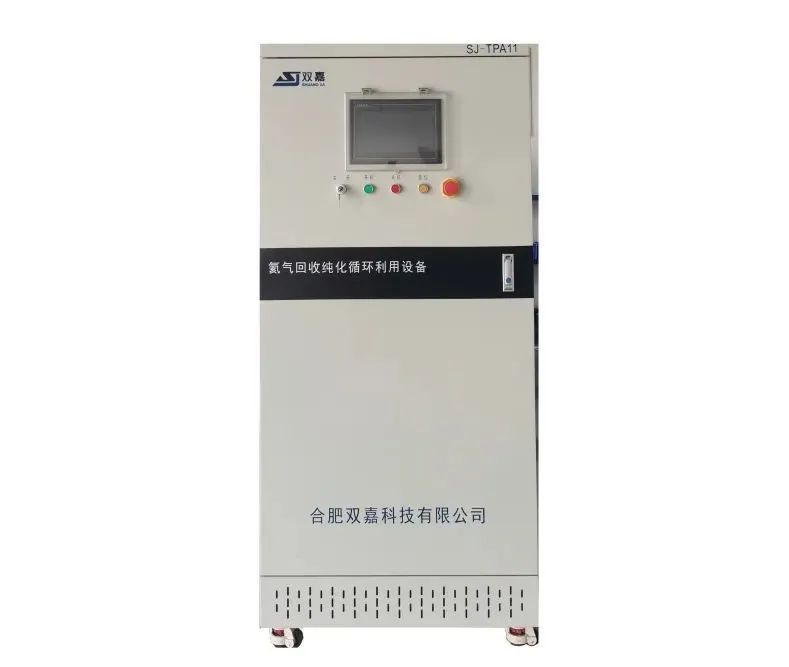
A **helium recovery system** is designed to capture helium that would otherwise be lost during various processes within a vacuum chamber. These systems typically involve a series of pumps, filters, and compressors that work together to reclaim helium from the environment. By recycling this resource, facilities can significantly reduce helium consumption and associated costs.
5. Key Benefits of a Helium Recovery System
Integrating a helium recovery system offers several compelling benefits that can transform your vacuum operations.
5.1. Cost Efficiency
Helium is a finite resource, and its costs have been steadily increasing. Implementing a helium recovery system allows businesses to reclaim and reuse helium, often leading to substantial savings. Facilities can minimize their reliance on external helium suppliers, reducing operational costs significantly.
5.2. Environmental Impact
As industries move toward more sustainable practices, helium recovery systems contribute positively. By reducing the waste of helium, companies can lower their environmental footprint. This aligns with broader corporate social responsibility goals and helps secure a more sustainable future.
5.3. Improved Operational Efficiency
Helium recovery systems not only cut costs but also enhance operational efficiency. By minimizing the downtime associated with refilling helium tanks, these systems allow for smoother and more continuous operations within vacuum chambers. This efficiency can lead to increased productivity and higher quality outputs.
6. How to Integrate Helium Recovery Systems in Your Setup
Integrating a helium recovery system into your vacuum chamber setup requires careful planning and execution.
6.1. Assessing Your Current Vacuum Chamber
Before implementing a helium recovery system, evaluate your existing vacuum chamber's specifications and processes. Understanding the volume, pressure ranges, and frequency of helium use will help determine the best recovery system for your needs.
6.2. Choosing the Right Helium Recovery System
There are multiple types of helium recovery systems available, each with unique features and benefits. Consider factors such as:
- **Capacity**: Ensure the system can handle your operational requirements.
- **Efficiency**: Look for systems with high recovery rates.
- **Ease of installation**: Choose a system that integrates well with your existing equipment.
Consulting with a supplier who specializes in vacuum technologies can help you make an informed decision.
7. Maintenance and Best Practices for Helium Recovery Systems
To ensure optimal performance and longevity of your helium recovery system, regular maintenance is essential. Here are some best practices:
- **Routine inspections**: Schedule regular checks to identify any potential issues early.
- **Filter replacements**: Change filters as recommended to maintain efficiency and prevent contamination.
- **Calibration**: Regularly calibrate the system to ensure accurate readings and effective performance.
Implementing these practices can significantly enhance the reliability of your helium recovery system.
8. Frequently Asked Questions (FAQs)
What is the primary function of a helium recovery system?
The primary function of a helium recovery system is to capture and recycle helium gas that would otherwise be lost during vacuum processes, reducing waste and costs.
How much can a helium recovery system save on helium costs?
Savings can vary widely based on usage, but many facilities have reported reductions in helium costs by up to 50% or more after implementing recovery systems.
Are helium recovery systems difficult to install?
Most helium recovery systems are designed for straightforward installation, particularly when tailored to fit existing equipment. Professional guidance can make the process even smoother.
What maintenance is required for helium recovery systems?
Regular maintenance includes inspections, replacing filters, and ensuring proper calibration to keep the system running efficiently.
Can helium recovery systems be used in all vacuum applications?
While helium recovery systems are versatile, their suitability may depend on specific vacuum chamber setups and processes. It's essential to assess compatibility before installation.
9. Conclusion
Incorporating a **helium recovery system** into your vacuum chamber not only enhances performance but also provides significant cost savings and supports environmental sustainability. As industries face increasing pressures to optimize resources, these systems stand out as a vital investment. By understanding the benefits, selecting the right system, and adhering to maintenance best practices, businesses can enjoy the full advantages of helium recovery, positioning themselves as leaders in efficient and sustainable operations.
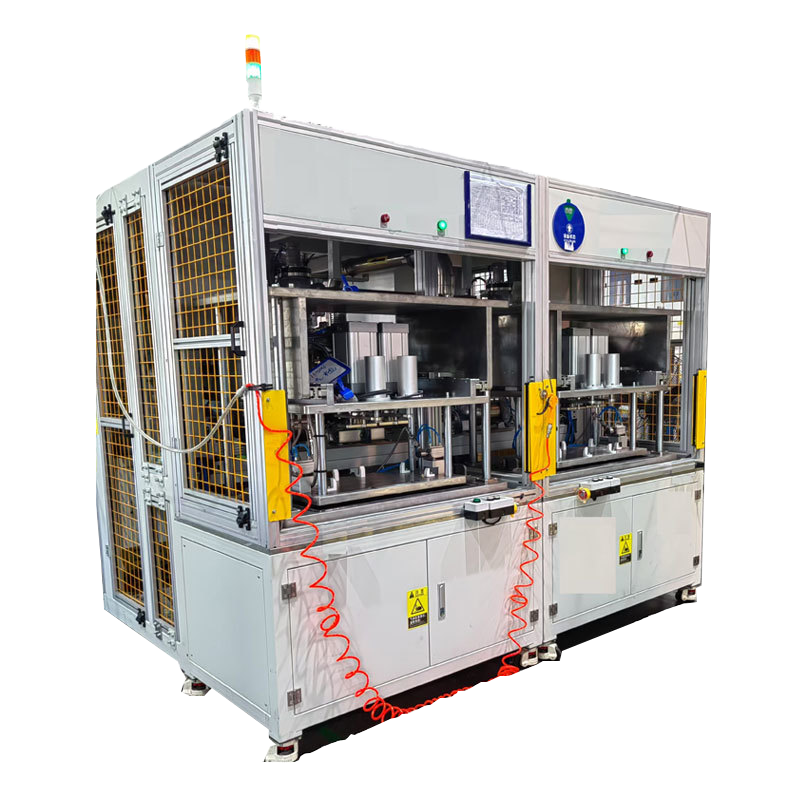
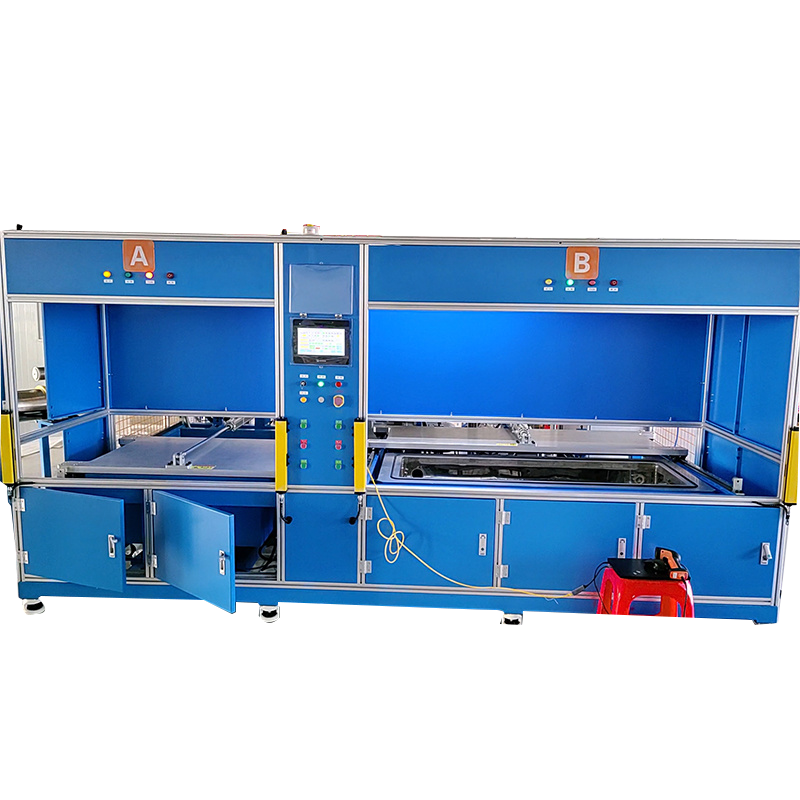
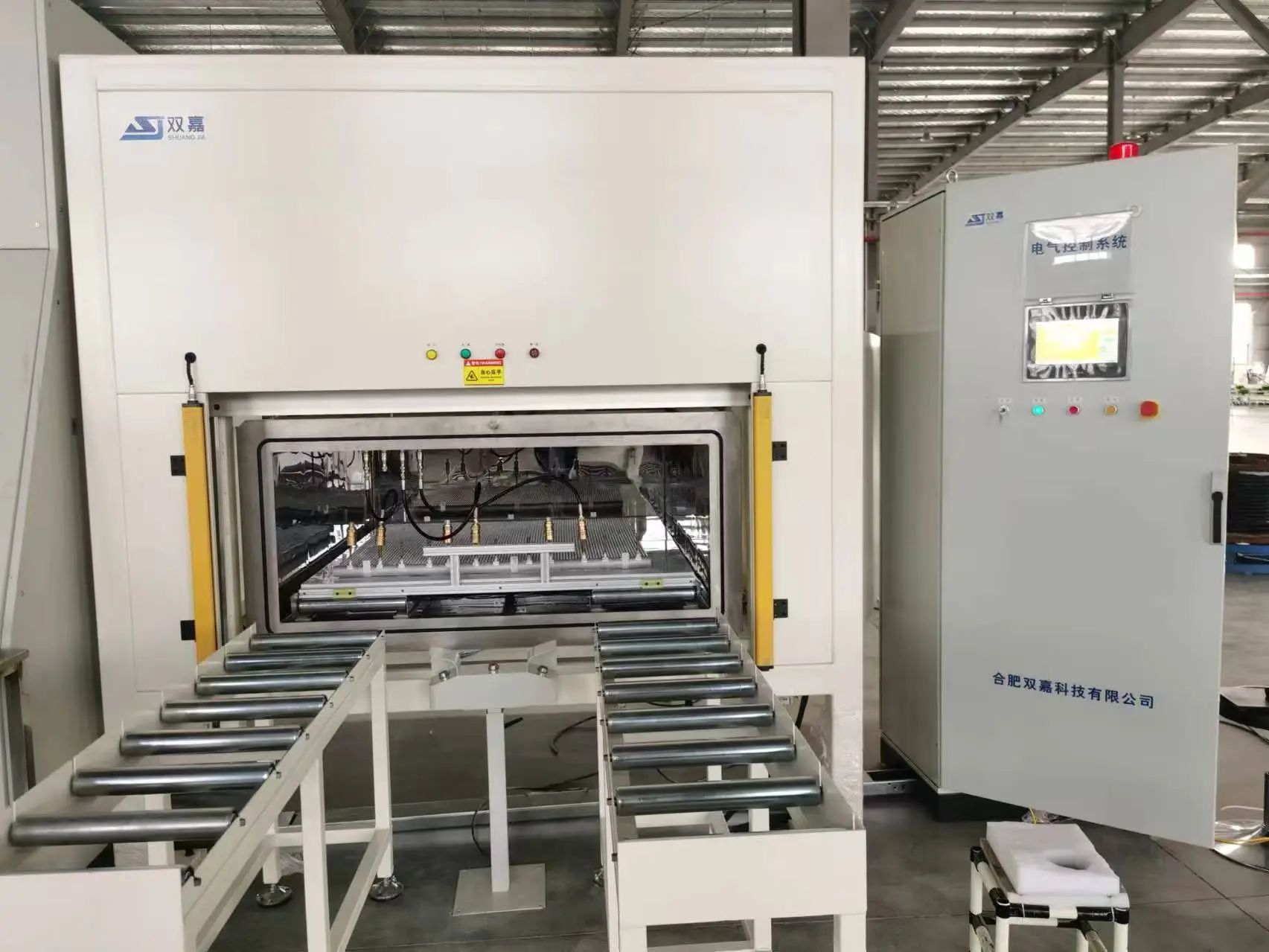
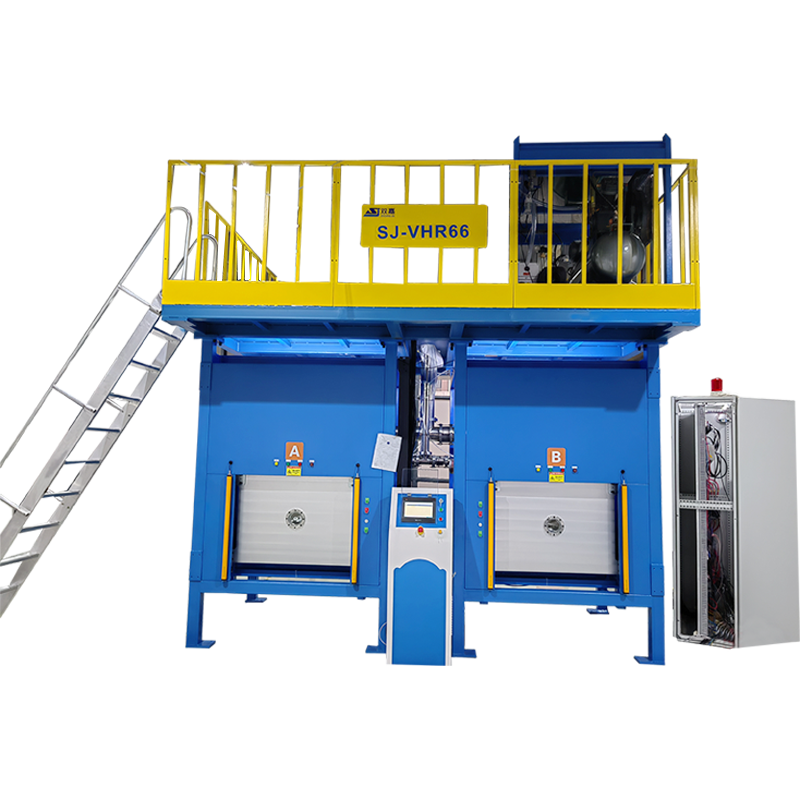
Helium recovery system for vacuum chamber
Latest Blog

Add WeChat

Official account
Business Manager Chen
Technical Manager Ma
Address
Sports Intelligence Valley 507, Kexin Venture Service Center, 598 Fanhua West Road, Hefei City, Anhui Province
Copyright© Hefei Shuangjia Technology Co., Ltd www.300.cn SEO