

Information Details
Top Features to Look for in a Helium Gas Recovery System for Instrumentation
Top Features to Look for in a Helium Gas Recovery System for Instrumentation Helium gas is a critical component in various scientific and industrial applications, particularly in the realm of instrumentation. The need for effective helium gas recovery systems has grown significantly, as businesses look to improve efficiency and reduce costs. Selecting the right helium gas recovery system involves
Release time:
2026-05-30
Top Features to Look for in a Helium Gas Recovery System for Instrumentation
Helium gas is a critical component in various scientific and industrial applications, particularly in the realm of instrumentation. The need for effective helium gas recovery systems has grown significantly, as businesses look to improve efficiency and reduce costs. Selecting the right helium gas recovery system involves understanding the key features that can influence performance and reliability. In this article, we will explore the **top features to consider** when evaluating helium gas recovery systems for instrumentation.
Understanding Helium Gas Recovery Systems
Helium gas recovery systems are designed to capture and recycle helium that may otherwise be lost during various processes. These systems are essential in applications where helium is a crucial element, such as in cryogenics, scientific research, and certain industrial processes. A well-designed helium gas recovery system can lead to significant cost savings and environmental benefits.
Why Helium Recovery is Important
The importance of helium recovery cannot be overstated. Helium is a non-renewable resource, making its efficient use vital. Recovering helium helps to:
- **Reduce operational costs**: By recycling helium, companies can lower their purchasing costs.
- **Minimize environmental impact**: Responsible use of helium contributes to sustainability efforts.
- **Ensure process continuity**: Reliable recovery systems help to avoid disruptions in critical processes.
Key Features to Consider in a Helium Gas Recovery System
When selecting a helium gas recovery system, there are several features that stand out as essential. Understanding these features can guide you in making an informed choice.
1. Efficiency of Helium Recovery
The efficiency of a helium gas recovery system is paramount. Look for systems that offer high recovery rates, ideally greater than 95%. High efficiency ensures that most of the helium can be captured and reused, significantly improving the system's cost-effectiveness.
Factors Affecting Recovery Efficiency
- **System design**: Advanced designs often incorporate better filtration and separation technologies.
- **Operating conditions**: Factors such as temperature and pressure can influence recovery rates.
- **Maintenance**: Regular maintenance ensures optimal performance and efficiency.
2. Reliability and Durability
Reliability is a crucial factor in any gas recovery system. A reliable system minimizes downtime and maintenance costs. Look for systems made from high-quality materials that can withstand the demands of continuous operation.
Assessing System Reliability
- **Warranty and support**: Check the warranty offered and the availability of customer support.
- **User reviews and case studies**: Research real-world applications to gauge reliability.
- **Manufacturer reputation**: Established brands often have a proven track record in producing reliable equipment.
3. Compliance with Safety and Environmental Standards
Safety is non-negotiable when dealing with gases. Ensure the helium recovery system complies with relevant safety and environmental standards. Look for certifications such as ISO, CE, or other relevant safety guidelines.
Ensuring Compliance
- **Documentation**: Manufacturers should provide clear documentation on safety standards.
- **Regular audits**: Implementing periodic safety audits can help maintain compliance.
4. User-Friendly Operation and Control
A user-friendly interface is essential for efficient operation. Look for systems that offer intuitive controls, clear displays, and easy troubleshooting options. This can significantly reduce training time and operational errors.
Key Features of User-Friendly Systems
- **Touchscreen interfaces**: Allow for easier navigation and adjustments.
- **Real-time monitoring**: Systems that provide data in real-time help operators make informed decisions quickly.
- **Remote access**: Remote monitoring capabilities can enhance operational flexibility.
5. Maintenance and Serviceability
A helium gas recovery system should be designed for easy maintenance. Look for modular designs that allow for quick replacements of parts and components without extensive downtime.
Evaluating Maintenance Needs
- **Documentation and manuals**: Comprehensive guides help users perform routine maintenance.
- **Availability of spare parts**: Ensure that spare parts are readily available from the manufacturer or third-party suppliers.
6. Cost-Effectiveness
While the initial investment in a helium gas recovery system is important, the long-term cost-effectiveness is what truly matters. Analyze the total cost of ownership, including installation, maintenance, and operational costs.
Calculating Total Cost of Ownership
- **Purchase price**: Compare prices of different systems with similar features.
- **Operating costs**: Factor in energy consumption, maintenance, and potential downtime.
- **Savings from helium recovery**: Estimate the savings achieved through effective recovery.
7. Scalability and Flexibility
As your operations grow, your helium gas recovery system should be able to adapt. Look for systems that offer scalability, allowing you to increase capacity or integrate additional features without a complete overhaul.
Benefits of Scalable Systems
- **Future-proofing your investment**: Scalable systems can accommodate expanding operations.
- **Customizability**: Flexibility in configuration to meet specific operational needs.
8. Integration with Existing Systems
A helium gas recovery system should seamlessly integrate with your existing instrumentation and processes. Look for systems that offer compatibility with other equipment to reduce the need for additional investments.
Assessing Compatibility
- **Consult manufacturer specifications**: Verify compatibility with existing systems.
- **Integration support**: Ensure the manufacturer provides support during the integration process.
Frequently Asked Questions (FAQs)
1. What is the typical recovery rate for helium gas recovery systems?
The typical recovery rate for high-quality helium gas recovery systems is over 95%, depending on the system's design and operating conditions.
2. How often should maintenance be performed on a helium recovery system?
Routine maintenance should be performed according to the manufacturer's recommendations, often annually or biannually, depending on usage.
3. Are there specific certifications to look for in helium gas recovery systems?
Yes, look for certifications such as ISO, CE, or other relevant safety and environmental standards to ensure quality and compliance.
4. Can helium gas recovery systems be integrated with other equipment?
Yes, many helium gas recovery systems are designed for compatibility with a range of existing instrumentation and processes.
5. What are the environmental benefits of helium gas recovery?
Recovering helium reduces the overall consumption of this non-renewable resource, contributing to sustainability efforts and lower greenhouse gas emissions associated with production.
Conclusion
Selecting the right helium gas recovery system for instrumentation is a critical decision that can impact efficiency, safety, and costs. By focusing on key features such as recovery efficiency, reliability, compliance, user-friendliness, and cost-effectiveness, you can ensure that your investment meets both current and future needs. By understanding and evaluating these features, you can choose a helium recovery system that enhances operational performance while supporting sustainability initiatives. Making an informed choice today will pave the way for successful operations tomorrow.
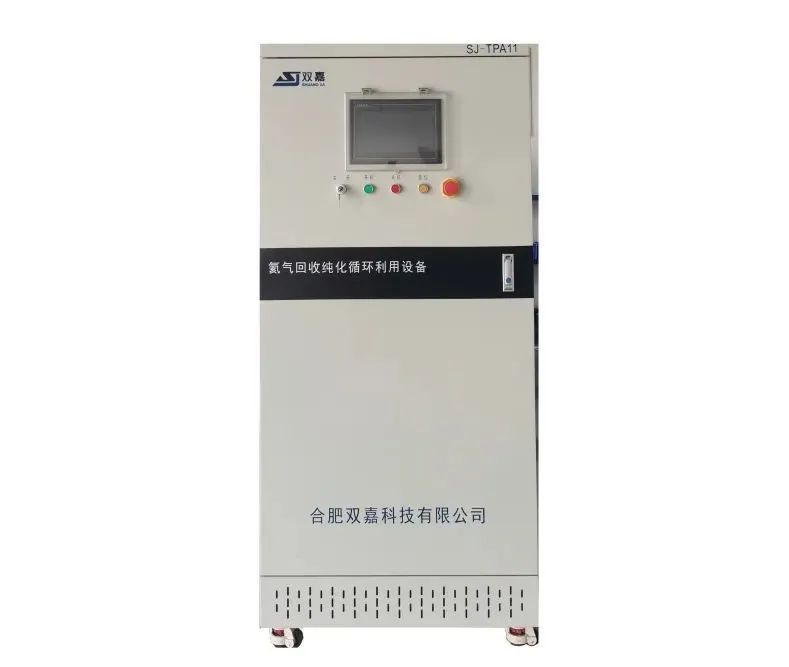
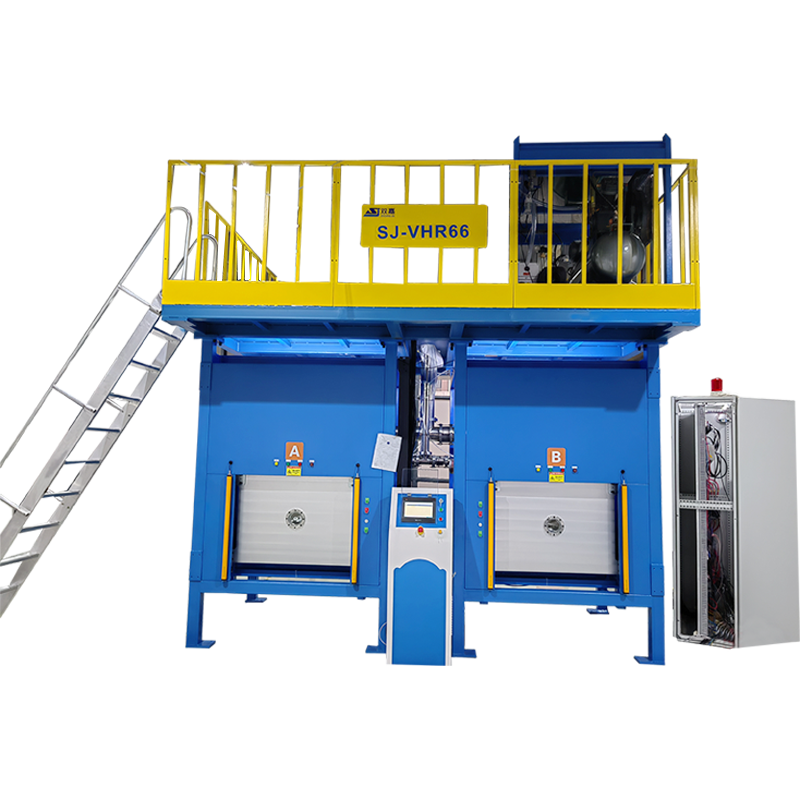
Helium gas recovery system
Latest Blog

Add WeChat

Official account
Business Manager Chen
Technical Manager Ma
Address
Sports Intelligence Valley 507, Kexin Venture Service Center, 598 Fanhua West Road, Hefei City, Anhui Province
Copyright© Hefei Shuangjia Technology Co., Ltd www.300.cn SEO