

Information Details
Enhancing Industrial Efficiency: The Importance of Helium Purification Systems
Helium, a noble gas, is essential in many applications, including cryogenics, semiconductor manufacturing, and leak detection. However, the presence of impurities can significantly affect the performance of helium in these processes. Therefore, implementing a reliable helium purification system is crucial for industries that rely on high-purity helium. A helium purification system typically involv
Release time:
2026-07-22
A helium purification system typically involves several stages of filtration and separation processes designed to remove contaminants. These contaminants can range from moisture and hydrocarbons to heavier gases like nitrogen and oxygen. Advanced technologies such as cryogenic distillation and membrane separation are often employed to achieve the desired purity levels.
Cryogenic distillation is one of the most common methods used in helium purification. This process involves cooling helium to extremely low temperatures, where it can be separated from impurities based on their boiling points. It is particularly effective for removing heavy gas contaminants that can compromise the quality of helium. However, this method requires significant energy and investment, making it suitable for large-scale operations.
On the other hand, membrane separation technology offers a more energy-efficient alternative. This method utilizes selective permeable membranes that allow helium to pass through while blocking impurities. Membrane systems can be modular and scalable, making them suitable for smaller operations or facilities with varying helium demands. Their lower operational costs and reduced energy consumption are key advantages that have led to increased adoption in many industrial applications.
Moreover, the integration of monitoring and control systems in helium purification setups can enhance operational efficiency. Real-time monitoring of purity levels, flow rates, and system performance enables operators to make informed decisions, minimizing downtime and ensuring consistent product quality. Implementing automated controls can also lead to significant reductions in labor costs and operational risks.
In conclusion, the implementation of a helium purification system is integral to industries that depend on high-purity helium. By leveraging advanced purification technologies, companies can ensure the integrity of their products, maintain operational efficiency, and ultimately improve their bottom line. As the demand for helium continues to grow, investing in effective purification solutions will be essential for staying competitive in the market.
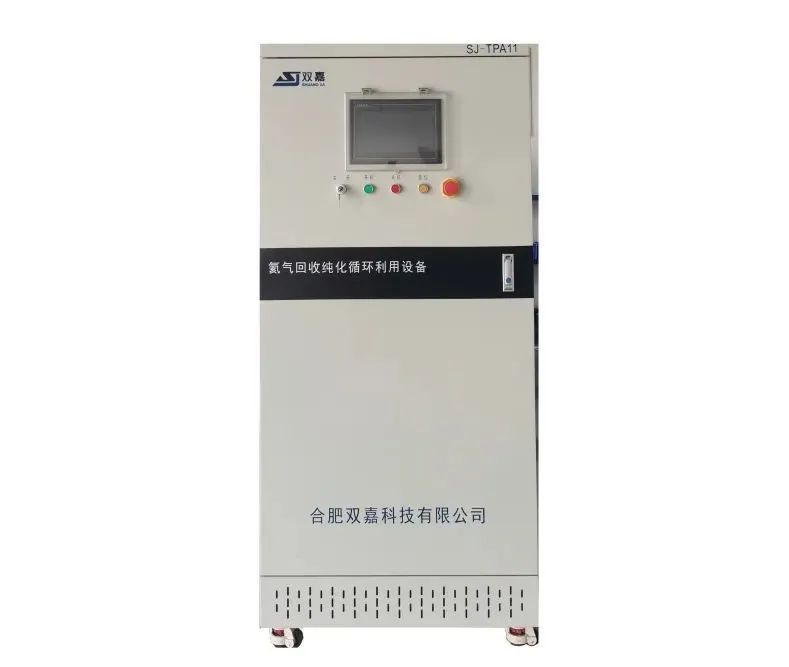
Helium purification system
Previous Page
Previous Page
Latest Blog

Add WeChat

Official account
Business Manager Chen
Technical Manager Ma
Address
Sports Intelligence Valley 507, Kexin Venture Service Center, 598 Fanhua West Road, Hefei City, Anhui Province
Copyright© Hefei Shuangjia Technology Co., Ltd www.300.cn SEO