

Information Details
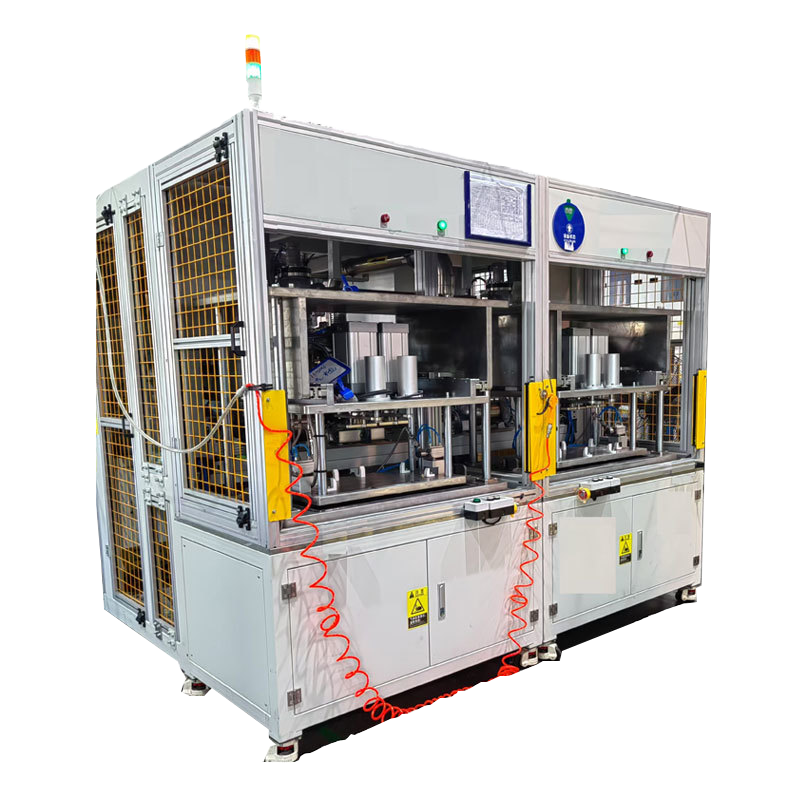
Understanding Helium Tracer Equipment for Leak Detection
Helium tracer equipment is an essential tool used in the realm of leak detection, particularly within the non-destructive testing (NDT) industry. This technology employs helium, a lightweight and inert gas, as a tracer to identify leaks in various systems. Its unique properties make it particularly effective for detecting even the smallest leaks in a wide range of applications, from industrial equ
Release time:
2025-05-08
The operation of helium tracer equipment is straightforward yet highly effective. During the leak detection process, helium is introduced into the system being tested. The presence of the gas is monitored using specialized sensors that can detect helium molecules escaping from the system. Since helium is non-toxic and chemically inert, it poses minimal risk during testing, making it a safe choice for a variety of environments.
One of the significant advantages of using helium tracer equipment is its sensitivity. Helium is a small molecule, which allows it to escape through minute openings that other gases might not detect. This property proves invaluable in ensuring that equipment operates efficiently and safely. For industries where leaks can lead to catastrophic failures or significant financial losses, the ability to detect leaks early can save considerable resources and reduce downtime.
In addition, helium tracer equipment is versatile and can be applied to various testing scenarios. Whether it’s a large industrial plant, a laboratory setting, or even specialized applications in aerospace and automotive industries, helium leak detection can be tailored to meet specific needs. This adaptability makes it a preferred choice among engineers and technicians who require reliable and accurate testing methods.
Furthermore, the use of helium in leak detection aligns well with environmental standards. As industries increasingly focus on sustainability and responsible practices, the utilization of helium—an environmentally friendly gas—adds an additional layer of appeal. This commitment to eco-friendly solutions not only enhances corporate responsibility but also ensures compliance with regulations concerning emissions and safety.
In conclusion, helium tracer equipment stands out as a pivotal technology in the non-destructive testing sector, offering unmatched sensitivity and safety in leak detection. Its ability to identify leaks in a wide variety of applications underscores its importance in maintaining system integrity and operational efficiency. For industries seeking reliable methods for leak detection, helium tracer technology provides effective solutions that cater to contemporary demands while also adhering to environmental considerations. Understanding the capabilities and functions of this equipment can significantly benefit professionals engaged in ensuring the reliability and safety of their systems.
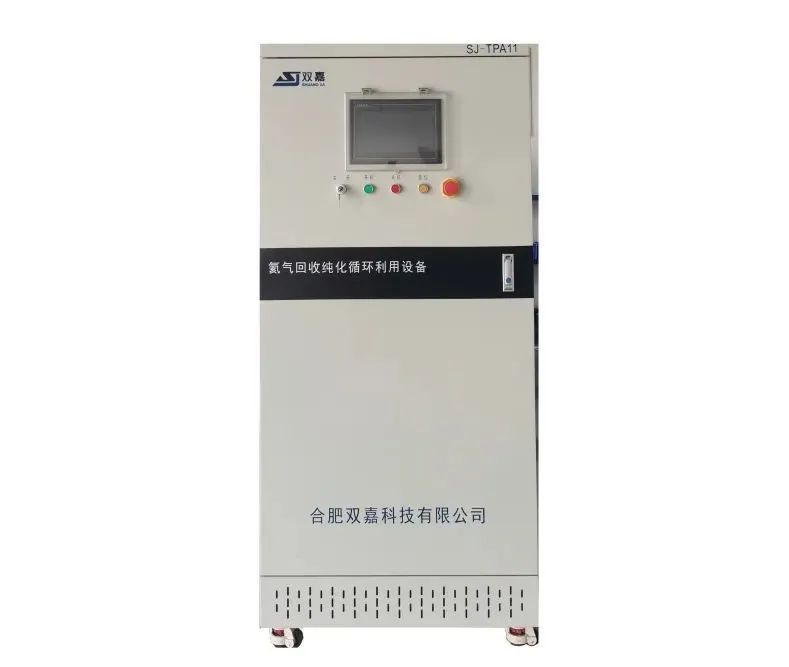
Helium tracer equipment
Latest Blog


Add WeChat

Official account
Business Manager Chen
Technical Manager Ma
Address
Sports Intelligence Valley 507, Kexin Venture Service Center, 598 Fanhua West Road, Hefei City, Anhui Province
Copyright© Hefei Shuangjia Technology Co., Ltd www.300.cn SEO