

Information Details
Ensuring Accuracy: The Role of Vacuum Box Helium Integrity Testers in Leak Detection
Ensuring Accuracy: The Role of Vacuum Box Helium Integrity Testers in Leak Detection Table of Contents 1. Introduction to Leak Detection 2. Importance of Accurate Leak Detection 3. What is a Vacuum Box Helium Integrity Tester? 4. Working Principle of Vacuum Box Helium Integrity Testers 5. Applications of Vacuum Box Helium Integrity Testers 6. Advantages of Using Helium Int
Release time:
2025-05-11
Ensuring Accuracy: The Role of Vacuum Box Helium Integrity Testers in Leak Detection
Table of Contents
- 1. Introduction to Leak Detection
- 2. Importance of Accurate Leak Detection
- 3. What is a Vacuum Box Helium Integrity Tester?
- 4. Working Principle of Vacuum Box Helium Integrity Testers
- 5. Applications of Vacuum Box Helium Integrity Testers
- 6. Advantages of Using Helium Integrity Testers
- 7. Challenges in Leak Detection and How They Are Overcome
- 8. The Future of Leak Detection Technology
- 9. Frequently Asked Questions (FAQs)
- 10. Conclusion
1. Introduction to Leak Detection
In industries where safety and reliability are paramount, **leak detection** plays a crucial role. From oil and gas to pharmaceuticals, identifying and addressing leaks can prevent catastrophic events and ensure compliance with regulatory standards. The advancement of technology has led to the development of various leak detection methods, among which the **vacuum box helium integrity tester** stands out for its accuracy and efficiency.
2. Importance of Accurate Leak Detection
Accurate leak detection is essential for several reasons:
- **Safety**: Undetected leaks can lead to hazardous situations, including fire, explosion, and environmental damage.
- **Cost Efficiency**: Identifying leaks early can save companies significant amounts of money in repair costs and product loss.
- **Regulatory Compliance**: Many industries are subject to strict regulations regarding leak detection and reporting.
- **Operational Efficiency**: Leak detection ensures systems operate within their intended parameters, enhancing overall productivity.
3. What is a Vacuum Box Helium Integrity Tester?
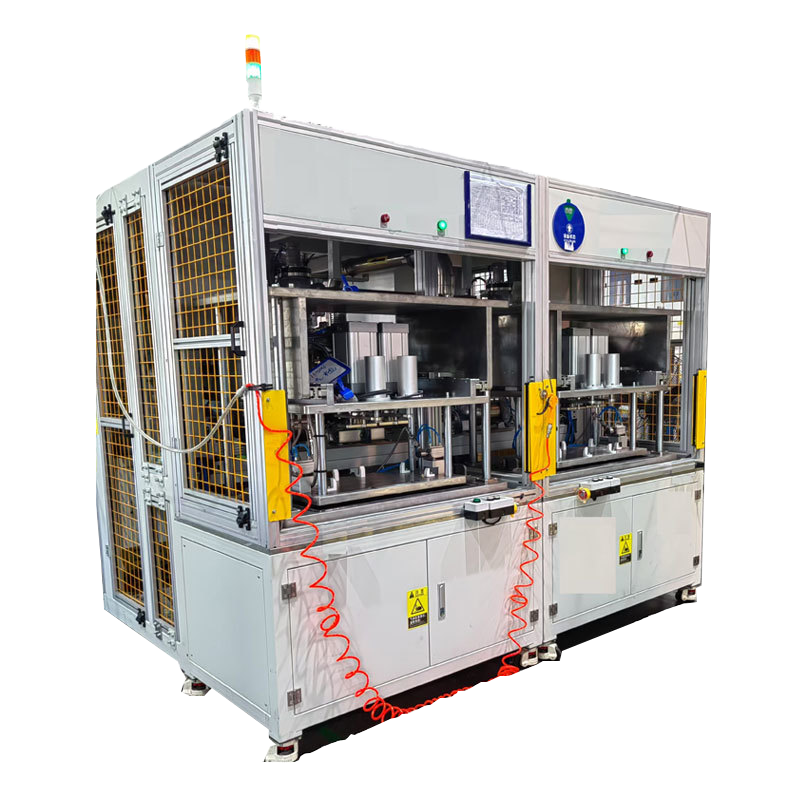
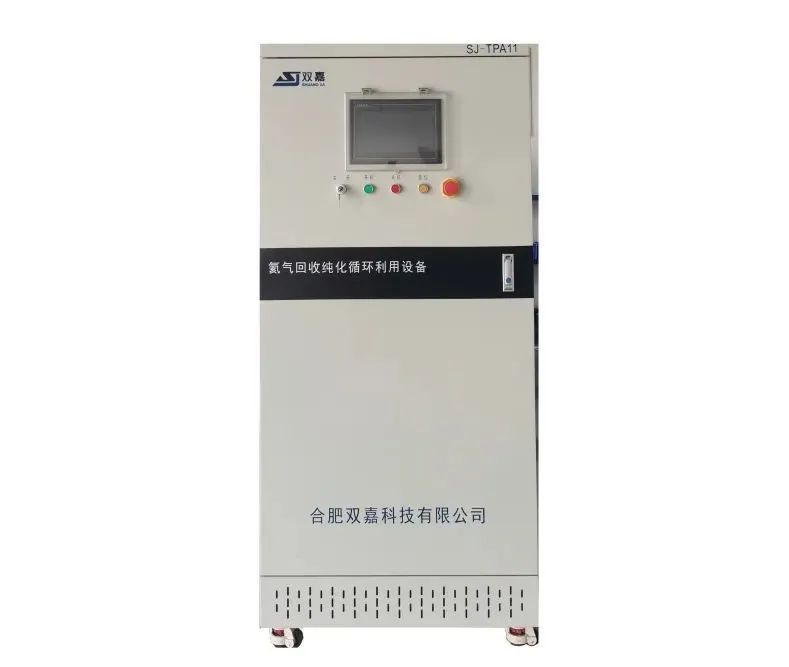
A **vacuum box helium integrity tester** is a specialized instrument used to detect leaks in various materials and systems. Utilizing helium, one of the smallest and lightest gases, this tester efficiently identifies even the tiniest leaks that other methods might miss. The vacuum box apparatus creates a controlled environment where helium can be introduced and monitored, allowing for precise leak detection.
4. Working Principle of Vacuum Box Helium Integrity Testers
The working principle of a vacuum box helium integrity tester revolves around the following steps:
1. **Setup**: The vacuum box is placed over the area to be tested, creating a sealed environment.
2. **Vacuum Creation**: A vacuum is applied to remove air from the box, allowing for clearer detection of helium.
3. **Helium Introduction**: Helium gas is introduced into the vacuum box.
4. **Detection**: Using sensitive helium detectors, the system monitors for any helium that escapes from the tested material. The presence of helium in unintended areas indicates a leak.
This methodology maximizes sensitivity and ensures that even the smallest leaks are detected.
5. Applications of Vacuum Box Helium Integrity Testers
Vacuum box helium integrity testers are versatile instruments with a broad range of applications:
- **Oil and Gas Industry**: Used for testing pipelines and storage tanks to prevent leaks that could cause environmental harm.
- **Pharmaceutical Manufacturing**: Ensures the integrity of containers and packages, critical for maintaining product safety.
- **Aerospace**: Helps in testing fuel systems and pressure vessels, where leaks could lead to failure.
- **HVAC Systems**: Checks for leaks in ductwork and refrigeration systems to enhance efficiency and performance.
The ability to test diverse materials in various environments makes this technology invaluable across multiple sectors.
6. Advantages of Using Helium Integrity Testers
Utilizing vacuum box helium integrity testers presents several advantages:
- **High Sensitivity**: Helium's small atomic size allows for the detection of very small leaks, often in the parts-per-million range.
- **Non-Damaging**: The testing process does not damage the materials being tested, making it suitable for delicate structures.
- **Quick Results**: The rapid detection capability of helium integrity testing allows for swift decision-making.
- **Cost-Effective**: By preventing leaks early, companies can save on costly repairs and regulatory fines.
These benefits underscore why many industries are turning to helium integrity testing as their preferred leak detection method.
7. Challenges in Leak Detection and How They Are Overcome
While vacuum box helium integrity testers are highly effective, certain challenges persist:
- **Environmental Conditions**: External factors such as temperature and humidity can affect test results. Proper calibration and environmental controls can mitigate these effects.
- **Material Compatibility**: Some materials may react with helium or not allow for proper sealing. Using the right materials and techniques is crucial for accurate testing.
- **Cost of Equipment**: Initial investment costs can be significant for high-quality testers. However, companies can often recoup these costs through preventative maintenance and reduced leak-related expenses.
By addressing these challenges proactively, organizations can enhance their leak detection strategies.
8. The Future of Leak Detection Technology
The future of leak detection technology looks promising, with advancements such as:
- **Smart Integrated Systems**: The integration of IoT technology for real-time monitoring and data analysis.
- **Enhanced Detection Methods**: Ongoing research into new gases and materials that could provide even greater sensitivity and specificity.
- **Automation**: Robotic and automated testing solutions to streamline the testing process and reduce human error.
These innovations will further improve the accuracy and reliability of leak detection, making it an even more critical aspect of industrial safety.
9. Frequently Asked Questions (FAQs)
1. How does helium compare to other leak detection gases?
Helium is favored due to its small molecular size, allowing it to detect finer leaks compared to gases like nitrogen or air.
2. Can vacuum box helium integrity testers be used in outdoor settings?
Yes, but environmental factors must be controlled to ensure test accuracy.
3. What industries primarily use vacuum box helium integrity testers?
Industries including oil and gas, pharmaceuticals, aerospace, and HVAC utilize these testers for leak detection.
4. How often should leak detection tests be conducted?
Testing frequency depends on industry regulations and specific operational needs, but routine inspections are recommended.
5. What should I consider when selecting a helium integrity tester?
Consider sensitivity, ease of use, calibration requirements, and the specific applications for which the tester will be used.
10. Conclusion
In the realm of leak detection, **vacuum box helium integrity testers** stand as a beacon of accuracy and reliability. These sophisticated instruments not only enhance safety and compliance across various industries but also contribute to significant cost savings by detecting leaks early. As technology continues to evolve, the future of leak detection promises even greater advancements, ensuring that industries can maintain operational integrity while safeguarding both people and the environment. Investing in helium integrity testing is not just a choice; it is a strategic decision to ensure the highest standards of quality and safety.
vacuum box helium integrity tester
Latest Blog


Add WeChat

Official account
Business Manager Chen
Technical Manager Ma
Address
Sports Intelligence Valley 507, Kexin Venture Service Center, 598 Fanhua West Road, Hefei City, Anhui Province
Copyright© Hefei Shuangjia Technology Co., Ltd www.300.cn SEO