

Information Details
Revolutionizing Leak Detection: The Benefits of Helium Recycling Units
Leak detection is a crucial process in various industries, ensuring the integrity and safety of systems ranging from pipelines to high-tech devices. Among various methods available, the use of helium has gained significant attention due to its unique properties. When integrated with a helium recycling unit, the leak detection process becomes not only more efficient but also more environmentally fr
Release time:
2025-05-14
Helium, being a small and light molecule, easily permeates through materials and is ideal for detecting leaks. When used in non-destructive testing, helium can be introduced into a system under test, and sensitive detectors can identify any escaping helium, indicating the presence of leaks. This method is particularly advantageous because helium is inert, non-toxic, and does not react with the materials being tested, making it safe for use in a variety of applications.
The introduction of a helium recycling unit into the leak detection process brings numerous benefits. Firstly, it significantly reduces helium consumption. Helium is a finite resource that can be costly and has environmental implications related to its extraction. By utilizing a recycling unit, companies can capture and reuse helium that escapes during testing, minimizing waste and lowering operational costs. This not only benefits the company’s bottom line but also aligns with sustainability goals by decreasing reliance on new helium sources.
In addition to cost savings, helium recycling units enhance testing efficiency. Traditional methods often require significant amounts of fresh helium for each test, leading to increased preparation time and delays. With a recycling unit, helium can be continuously circulated and reused, streamlining the testing process. This means faster turnaround times for leak detection, allowing businesses to respond more quickly to potential issues and ensure the reliability of their systems.
Moreover, the integration of helium recycling units in leak detection setups can improve the overall accuracy of results. Since the recycled helium is continuously monitored and filtered, the testing environment becomes more stable, leading to higher detection sensitivity. This is especially critical in high-stakes industries such as aerospace, pharmaceuticals, and energy, where even minor leaks can have significant consequences.
In summary, the use of helium in leak detection, combined with the implementation of helium recycling units, represents a significant advancement in non-destructive testing technology. This approach not only promotes operational efficiency and cost savings but also supports environmental sustainability efforts. As industries continue to seek reliable and effective means of ensuring system integrity, helium leak detection with recycling units stands out as a forward-thinking solution that addresses both performance and environmental responsibilities.
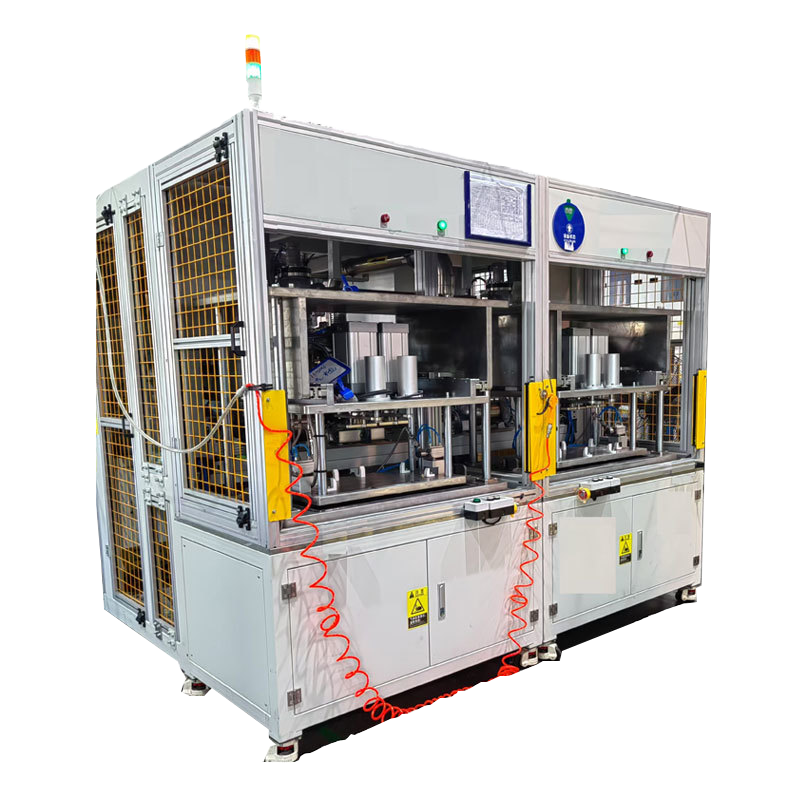
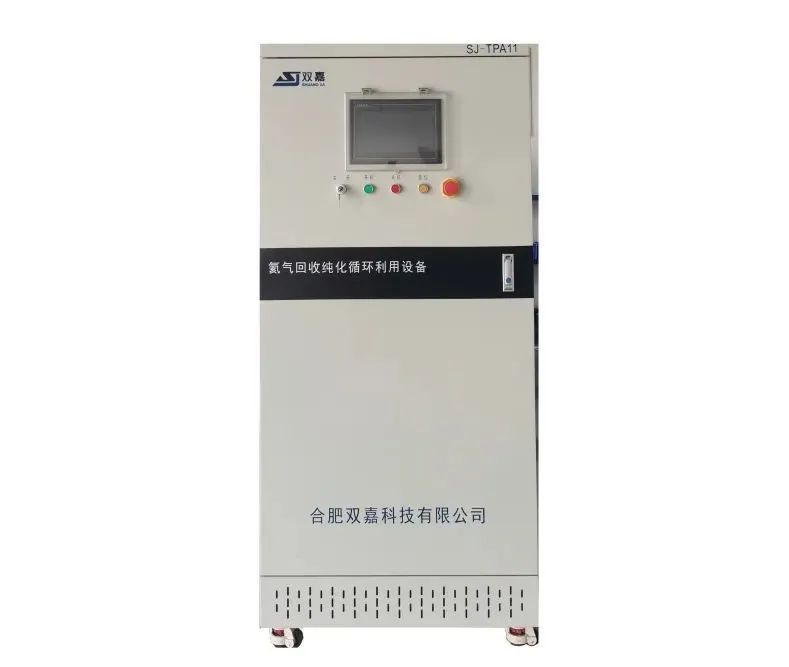
leak detection with helium recycling unit
Latest Blog


Add WeChat

Official account
Business Manager Chen
Technical Manager Ma
Address
Sports Intelligence Valley 507, Kexin Venture Service Center, 598 Fanhua West Road, Hefei City, Anhui Province
Copyright© Hefei Shuangjia Technology Co., Ltd www.300.cn SEO