

Information Details
Essential Insights on Helium Leak Detection Equipment for Medical Applications
Helium leak detection is a pivotal process in various industries, especially in the medical sector where product safety and reliability are paramount. Helium leak detection equipment is specifically designed to identify leaks in packaging that could compromise the sterility and functionality of medical devices and pharmaceuticals. Understanding the principles and advantages of this technology can
Release time:
2025-11-22
At its core, helium leak detection utilizes helium's unique properties as a tracer gas. Due to its small molecular size, helium can easily penetrate through minute leaks that other gases might not detect. This characteristic makes it an ideal choice for the medical industry, where even the smallest breach can result in contamination or product failure. The process typically involves sealing the product in a chamber filled with helium and then using a mass spectrometer or a similar device to measure the concentration of helium that escapes from the package. This highly sensitive method allows for the detection of leaks in the range of 1 x 10^-9 mbar·l/s, providing assurance of product integrity.
The importance of helium leak detection equipment in the medical field cannot be overstated. Medical devices, such as syringes, IV bags, and implantable devices, require stringent testing to ensure they maintain sterility and perform effectively. Any leak in their packaging can compromise patient safety, leading to severe consequences. Therefore, employing advanced leak detection systems helps manufacturers adhere to regulatory standards, ensuring that their products meet safety and efficacy requirements.
Moreover, helium leak detection equipment promotes cost-effectiveness in production. By identifying leaks early in the manufacturing process, companies can reduce waste, avoid costly recalls, and enhance overall product quality. The reliability of detecting leaks minimizes the risk of delivering faulty or unsafe products to healthcare providers, thereby preserving brand reputation and customer trust.
In addition to its application in packaging, helium leak detection technology is also valuable in testing the integrity of components used in medical equipment. For instance, it can be utilized to assess the reliability of surgical instruments or diagnostic devices, ensuring that they function correctly without any risk of leakage.
In conclusion, helium leak detection equipment is an indispensable tool in the medical industry, contributing to the safety, effectiveness, and reliability of medical products. By leveraging the unique properties of helium, manufacturers can ensure that their devices are packaged securely and meet the highest industry standards. As the medical field continues to advance, the role of sophisticated leak detection technologies will undoubtedly become even more critical.
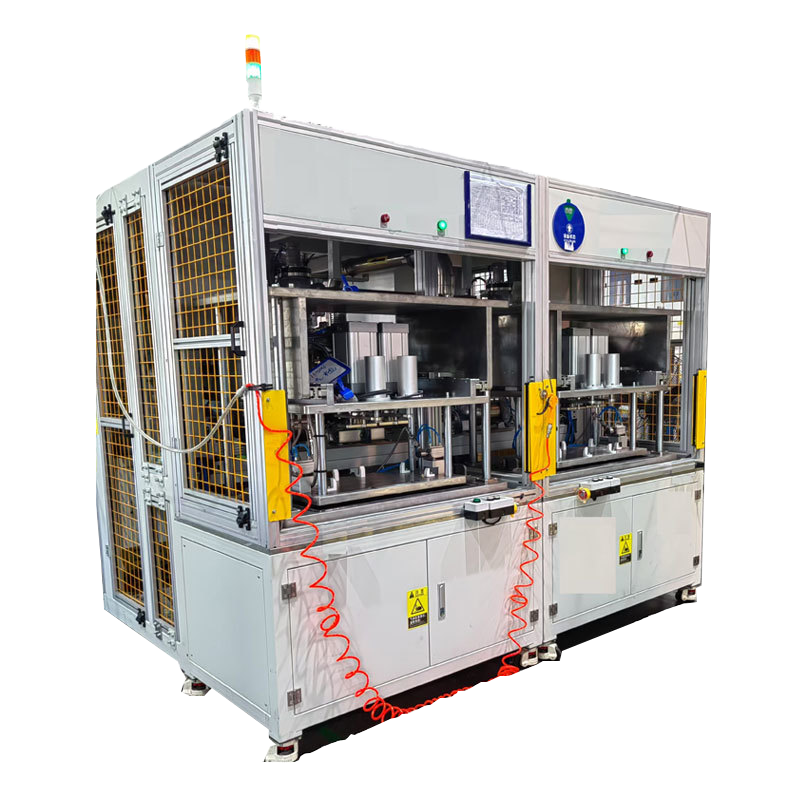
Helium leak detection equipment for medical use
Latest Blog


Add WeChat

Official account
Business Manager Chen
Technical Manager Ma
Address
Sports Intelligence Valley 507, Kexin Venture Service Center, 598 Fanhua West Road, Hefei City, Anhui Province
Copyright© Hefei Shuangjia Technology Co., Ltd www.300.cn SEO