

Information Details
Maximizing Efficiency with a Helium Recovery Unit in Packaging Testing
Maximizing Efficiency with a Helium Recovery Unit in Packaging Testing Table of Contents 1. Introduction to Helium Recovery Units in Packaging Testing 2. Understanding the Role of Helium in Packaging Testing 3. Key Benefits of Using Helium Recovery Units 3.1 Cost-Effectiveness 3.2 Environmental Impact 3.3 Improved Testing Accuracy 4. How Helium Recovery Units Operate 4.1 System Components 4.2 Reco
Release time:
2026-02-07
Maximizing Efficiency with a Helium Recovery Unit in Packaging Testing
Table of Contents
1. Introduction to Helium Recovery Units in Packaging Testing
2. Understanding the Role of Helium in Packaging Testing
3. Key Benefits of Using Helium Recovery Units
3.1 Cost-Effectiveness
3.2 Environmental Impact
3.3 Improved Testing Accuracy
4. How Helium Recovery Units Operate
4.1 System Components
4.2 Recovery Process Explained
5. Best Practices for Implementing Helium Recovery Units
5.1 Choosing the Right Unit
5.2 Maintenance and Monitoring
6. Common Applications in the Packaging Industry
6.1 Medical Packaging
6.2 Food and Beverage Packaging
7. Challenges and Solutions in Helium Recovery
7.1 Addressing Leakage Issues
7.2 Overcoming System Limitations
8. Frequently Asked Questions (FAQs)
9. Conclusion
1. Introduction to Helium Recovery Units in Packaging Testing
In the packaging testing industry, ensuring the integrity and reliability of packages is paramount. **Helium leak testing** is one of the most effective methods for detecting defects in packaging. However, helium is a finite resource, leading to increased costs and environmental concerns. To address these issues, many companies are turning to **Helium Recovery Units**. These systems not only enhance efficiency but also contribute to a more sustainable testing process.
2. Understanding the Role of Helium in Packaging Testing
Helium is a noble gas known for its low atomic weight and non-reactivity, making it ideal for leak detection. Its ability to permeate through even the tiniest of holes allows manufacturers to assess the integrity of their packaging effectively. By using helium, companies can ensure that their products remain uncontaminated and secure during transportation and storage.
3. Key Benefits of Using Helium Recovery Units
3.1 Cost-Effectiveness
Investing in a Helium Recovery Unit significantly reduces helium costs. Instead of purchasing new helium for every test, companies can recover and reuse helium, leading to substantial savings over time. This cost-effectiveness is especially critical for large-scale operations, where helium expenses can quickly accumulate.
3.2 Environmental Impact
The depletion of helium resources poses an environmental challenge. By incorporating a recovery unit, companies can minimize their environmental footprint. **Reusing helium** reduces the demand for new helium extraction, contributing to a more sustainable manufacturing process.
3.3 Improved Testing Accuracy
Helium Recovery Units enhance the accuracy of leak detection. By reusing helium, the concentration of the gas remains consistent throughout tests, leading to more reliable results. Accurate testing is essential for maintaining product quality and preventing costly recalls.
4. How Helium Recovery Units Operate
Understanding how helium recovery systems function can help companies maximize their testing efficiency.
4.1 System Components
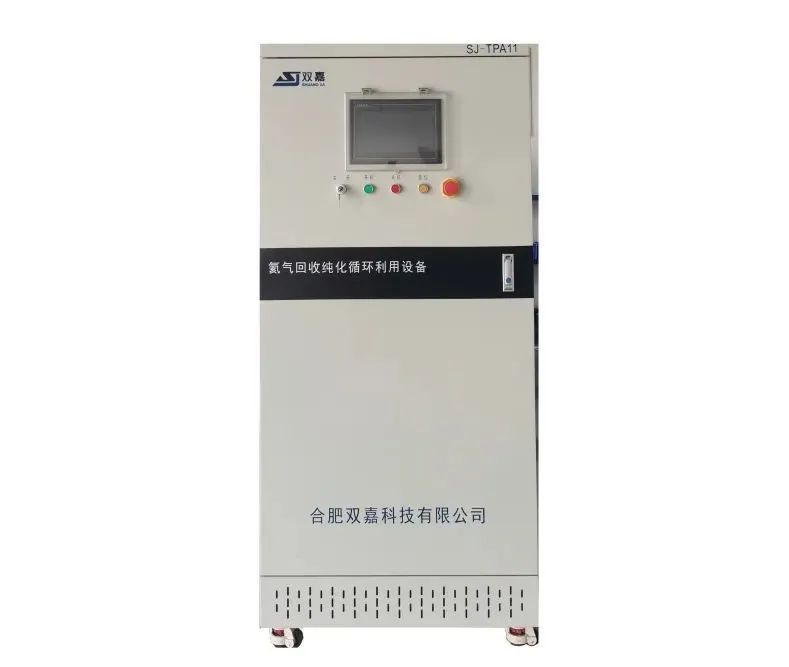
A Helium Recovery Unit typically consists of several key components:
- **Recovery Chamber:** The area where helium is collected after testing.
- **Compression System:** Compresses the helium for storage and reuse.
- **Filtration System:** Ensures that any impurities are removed from the recovered helium.
- **Control Panel:** Allows operators to monitor and manage the recovery process.
4.2 Recovery Process Explained
The recovery process begins after a packaging test. Once helium is used to detect leaks, the gas is sucked back into the recovery chamber. The compression system then compresses the helium for storage, while the filtration system cleans the gas for reuse. This closed-loop system ensures that lost helium is minimized, allowing companies to use their resources more efficiently.
5. Best Practices for Implementing Helium Recovery Units
To maximize the efficiency of helium recovery systems, companies should follow certain best practices.
5.1 Choosing the Right Unit
Selecting the appropriate Helium Recovery Unit depends on several factors, including the size of the operation and the specific testing needs. Companies should evaluate their testing volume and requirements to ensure they choose a system that meets their demands.
5.2 Maintenance and Monitoring
Regular maintenance is crucial for the optimal performance of helium recovery systems. Companies should establish a maintenance schedule that includes routine checks of the filtration system, compression unit, and control panel. Monitoring the recovery process helps identify any inefficiencies or issues that may arise.
6. Common Applications in the Packaging Industry
Helium Recovery Units have versatile applications across various sectors within the packaging industry.
6.1 Medical Packaging
In the medical field, packaging integrity is critical to ensuring product safety. Helium leak testing helps detect any flaws in packaging that could compromise sterile environments or medication efficacy. The use of recovery units in this sector not only enhances testing reliability but also reduces operational costs.
6.2 Food and Beverage Packaging
For food and beverage manufacturers, ensuring that products remain uncontaminated during transit is essential. Helium leak testing verifies the integrity of food packaging, thereby maintaining quality and safety standards. Helium Recovery Units enable companies to conduct thorough testing without incurring excessive costs.
7. Challenges and Solutions in Helium Recovery
While helium recovery systems offer numerous benefits, certain challenges may arise.
7.1 Addressing Leakage Issues
Leakage in the recovery system can lead to inefficiencies and increased costs. Companies should regularly inspect their systems for any signs of leaks and implement immediate repairs or upgrades as needed. Utilizing advanced detection technologies can also help identify potential leakage points.
7.2 Overcoming System Limitations
Some helium recovery units may have limitations regarding the volume of helium that can be processed. To overcome this, companies can invest in more advanced systems or multiple units to ensure that their testing processes remain efficient and effective.
8. Frequently Asked Questions (FAQs)
Q1: What is a Helium Recovery Unit?
A Helium Recovery Unit is a system designed to capture, compress, and recycle helium used during packaging testing, enhancing efficiency and reducing costs.
Q2: How does helium leak testing work?
Helium leak testing involves introducing helium into a package and monitoring for any leakage. The presence of helium outside the package indicates a defect.
Q3: Why is helium preferred for leak detection?
Helium is preferred due to its small atomic size, non-reactivity, and ability to escape through tiny leaks, making it highly effective for leak detection.
Q4: Are Helium Recovery Units environmentally friendly?
Yes, they are environmentally friendly as they reduce the need for new helium extraction, minimizing the overall environmental impact.
Q5: How can I ensure the efficiency of my Helium Recovery Unit?
Regular maintenance, monitoring for leaks, and choosing the right unit based on your needs can help ensure optimal efficiency.
9. Conclusion
Implementing a Helium Recovery Unit in packaging testing is not merely a cost-saving strategy; it represents a commitment to quality, efficiency, and environmental sustainability. As the demand for reliable packaging continues to rise, the role of helium recovery systems becomes increasingly vital. By understanding their operation, benefits, and best practices, companies can significantly enhance their testing processes, ensuring product integrity while reducing operational costs. Transitioning to a helium recovery system is a step towards a more sustainable and efficient packaging industry.
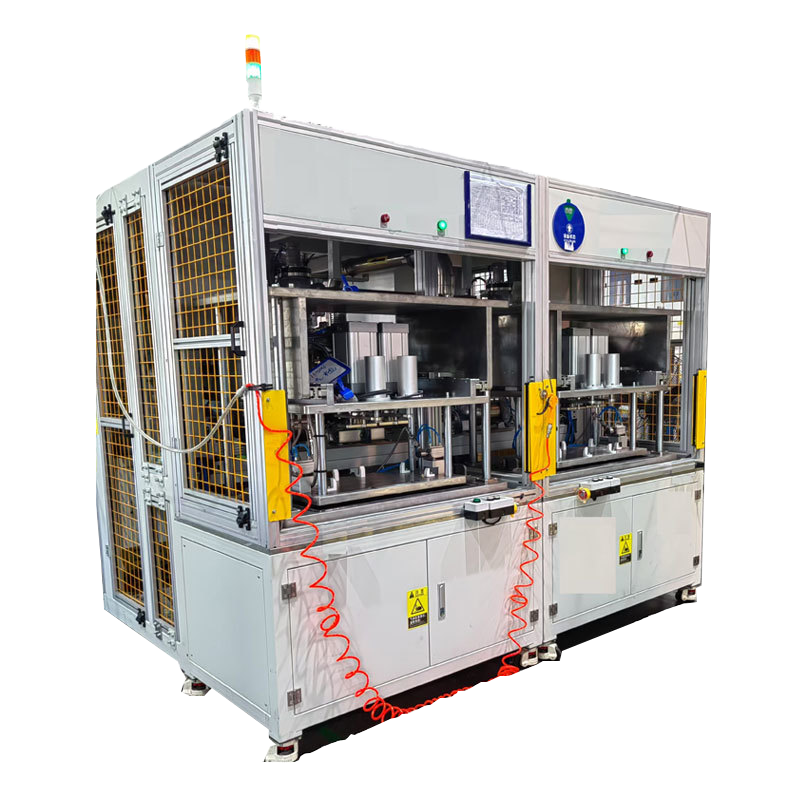
Helium recovery unit
Latest Blog


Add WeChat

Official account
Business Manager Chen
Technical Manager Ma
Address
Sports Intelligence Valley 507, Kexin Venture Service Center, 598 Fanhua West Road, Hefei City, Anhui Province
Copyright© Hefei Shuangjia Technology Co., Ltd www.300.cn SEO