

Information Details
The Essential Guide to Helium Purification Units: Enhancing Industrial Air Quality
Helium purification units play a critical role in industrial applications, where they are used to ensure the quality of helium gas. Helium, a noble gas, is often used in various industries, including medical, electronics, and aerospace. However, to maintain its purity and ensure optimal performance in these applications, effective purification processes are essential. A helium purification unit is
Release time:
2026-02-14
A helium purification unit is designed to remove impurities and contaminants from helium gas. These impurities can include moisture, hydrocarbons, and other trace gases that can be detrimental to processes relying on high-purity helium. The purification process typically involves several stages, including filtration, adsorption, and sometimes cryogenic separation. Each stage is tailored to effectively target specific contaminants, ensuring that the final product meets stringent purity standards.
One of the primary methods used in helium purification is adsorption. In this process, contaminated helium is passed through materials that have a high affinity for impurities. This allows for the selective removal of unwanted substances while the pure helium passes through. Common materials used in adsorption processes include activated carbon and zeolites. These materials are favored for their high surface area and ability to trap various contaminants.
In addition to adsorption, cryogenic distillation is another common technique utilized in helium purification units. This method takes advantage of the different boiling points of gases. By cooling the gas mixture to extremely low temperatures, helium can be separated from other gases based on their boiling points. This method is particularly effective for achieving ultra-high purity levels, which are often required for specialized applications.
Maintaining the efficiency of a helium purification unit is essential for ensuring consistent performance. Regular maintenance and monitoring of the unit's components, such as filters and adsorbents, can help extend its lifespan and ensure optimal operation. Additionally, understanding the specific requirements of the application is crucial for selecting the right purification unit, as different industries may have varying purity standards.
Moreover, the benefits of using a helium purification unit extend beyond just maintaining gas purity. By ensuring a clean supply of helium, industries can improve the quality and reliability of their products. This is especially important in sectors such as healthcare, where impurities can affect medical devices and diagnostic equipment. Furthermore, by optimizing helium usage and reducing waste, companies can enhance their overall operational efficiency and sustainability.
In conclusion, helium purification units are essential in any industrial setting that relies on high-purity helium. By understanding their operation and maintenance, industries can enhance product quality and ensure safety standards. Investing in a reliable helium purification solution is a step toward achieving superior performance and operational excellence in an increasingly competitive market.
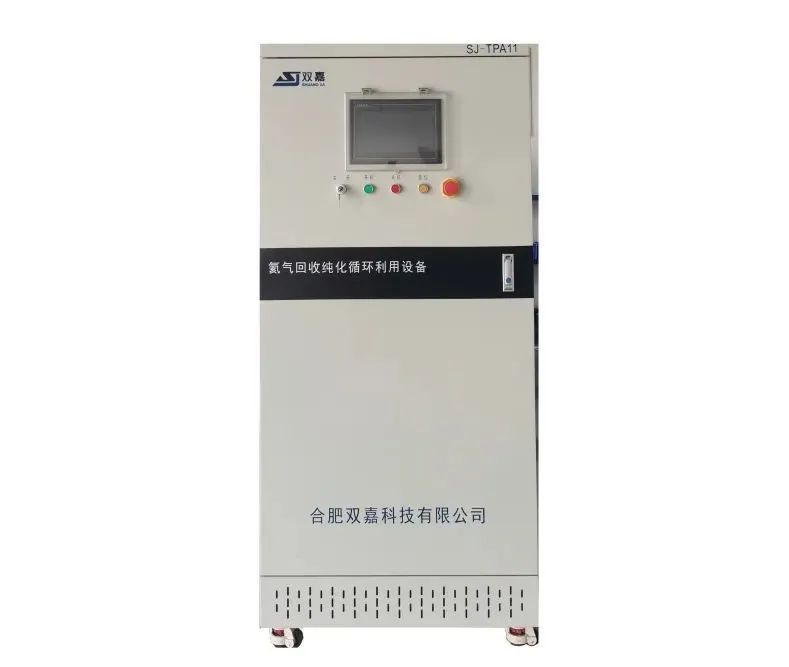
Helium purification unit
Latest Blog


Add WeChat

Official account
Business Manager Chen
Technical Manager Ma
Address
Sports Intelligence Valley 507, Kexin Venture Service Center, 598 Fanhua West Road, Hefei City, Anhui Province
Copyright© Hefei Shuangjia Technology Co., Ltd www.300.cn SEO