

Information Details
The Role of Helium Recovery Units in Enhancing Leak Detection Accuracy
The Role of Helium Recovery Units in Enhancing Leak Detection Accuracy Introduction to Leak Detection In today's technologically advanced landscape, effective leak detection is paramount across numerous industries, including aerospace, automotive, pharmaceuticals, and food packaging. Leak detection not only ensures product integrity but also enhances safety, reduces environmental impact, and saves
Release time:
2026-04-18
The Role of Helium Recovery Units in Enhancing Leak Detection Accuracy
Introduction to Leak Detection
In today's technologically advanced landscape, effective leak detection is paramount across numerous industries, including aerospace, automotive, pharmaceuticals, and food packaging. Leak detection not only ensures product integrity but also enhances safety, reduces environmental impact, and saves costs. One of the most efficient methods for leak detection involves the use of helium as a tracer gas, complemented by helium recovery units that optimize this process.
Understanding Helium as a Tracer Gas
Helium is an ideal tracer gas due to its unique properties. It is non-toxic, non-flammable, and possesses a small molecular size, allowing it to seep through minute leaks that other gases might not detect. The use of helium in leak detection is based on its ability to escape from containers or systems where defects exist. When combined with recovery units, helium can be utilized effectively and efficiently, maximizing both accuracy and sustainability.
Why Use Helium for Leak Detection?
The advantages of using helium in leak detection are numerous:
1. High Sensitivity
Helium can detect extremely small leaks (as low as 1 x 10^-9 mbar l/s), making it a preferred choice for applications requiring high levels of accuracy.
2. Fast Response Time
Helium leak detection systems offer rapid results, which is critical in fast-paced production environments where delays can impact overall efficiency.
3. Environmentally Friendly
Unlike other gases that may pose environmental hazards, helium is inert, ensuring that leak testing does not introduce harmful substances into the environment.
4. Cost-Effectiveness
While helium may seem expensive initially, its ability to detect leaks quickly can save significant costs in terms of product loss and rework.
The Functionality of Helium Recovery Units
Helium recovery units serve a crucial role in the leak detection process, allowing for the efficient reuse of helium. By capturing the helium that escapes during testing, these units contribute to reducing operational costs and environmental impact.
How Helium Recovery Units Work
Helium recovery units typically consist of several components, including:
1. Helium Collection Chamber
This chamber collects the helium that escapes during the leak testing phase, preventing it from being released into the atmosphere.
2. Compression System
The collected helium is compressed to facilitate storage and reuse, ensuring that the gas maintains its purity and integrity.
3. Filtration System
Advanced filtration systems are employed to remove contaminants from the helium, thereby preserving its effectiveness for future tests.
Benefits of Utilizing Helium Recovery Units
Integrating helium recovery units into the leak detection process offers several benefits:
1. Economic Efficiency
By capturing and reusing helium, businesses can significantly reduce their costs associated with gas procurement. The ability to recycle helium can lead to substantial savings over time.
2. Enhanced Accuracy
The use of a closed-loop system minimizes the chances of helium escaping into the environment. This leads to more accurate leak measurements and reduces the likelihood of false positives or negatives.
3. Compliance with Environmental Regulations
The implementation of helium recovery units aids companies in adhering to environmental regulations regarding gas emissions, fostering a commitment to sustainable practices.
Applications of Helium Recovery Units in Various Industries
Helium recovery units find applications in multiple sectors, each benefiting uniquely from the technology.
Aerospace Industry
In aerospace, the integrity of components is critical. Helium leak detection ensures that systems such as fuel tanks and pressurized cabins are leak-free. The use of recovery units enhances efficiency by allowing repeated tests with minimal helium loss.
Automotive Sector
The automotive industry utilizes helium detection for components like fuel systems and air conditioning units. Recovery units allow manufacturers to maintain stringent quality control while reducing testing costs.
Pharmaceutical Manufacturing
The pharmaceutical sector relies on leak detection to ensure that drug containers remain sterile and free from contamination. Helium recovery units not only support effective testing but also help maintain compliance with regulatory standards.
Food Packaging
In food packaging, ensuring an airtight seal is essential for product freshness. Helium leak detection allows for precise evaluation of packaging integrity, while recovery units contribute to sustainable practices in food production.
Best Practices for Implementing Helium Recovery Units
To maximize the benefits of helium recovery units, businesses should consider the following best practices:
1. Regular Maintenance
Periodic maintenance of recovery systems is essential to ensure optimal performance. This includes checking for leaks, cleaning filters, and monitoring compression systems.
2. Training Personnel
Ensuring that personnel are trained in the operation of helium recovery systems is crucial. Proper training can enhance safety, efficiency, and the accuracy of leak detection processes.
3. Integration with Existing Systems
Businesses should evaluate how helium recovery units can be integrated with their current leak detection systems. This may involve upgrading equipment or modifying processes to enhance overall effectiveness.
4. Monitoring and Reporting
Implementing a monitoring and reporting system can help track helium usage, recovery efficiency, and leak detection accuracy. This data can be invaluable for continuous improvement efforts.
Future Trends in Helium Recovery Technology
As industries continue to innovate, the future of helium recovery technology looks promising. Key trends include:
1. Advanced Filtration Techniques
Emerging filtration technologies are expected to improve the purity of recovered helium, enhancing its effectiveness in future tests.
2. Automation in Leak Detection
The integration of automation in leak detection processes will streamline operations, reducing the manual effort required and increasing accuracy.
3. Sustainable Practices
As environmental awareness grows, more companies will adopt helium recovery units as part of their commitment to sustainability, leading to an industry-wide shift in best practices.
FAQs About Helium Recovery Units
1. What is a helium recovery unit?
A helium recovery unit is a system designed to capture and recycle helium used during leak detection testing, thus minimizing waste and costs.
2. How does helium recovery enhance leak detection accuracy?
Helium recovery units reduce the potential for gas loss during testing, allowing for more precise measurements of leaks and improving overall testing accuracy.
3. Are helium recovery units environmentally friendly?
Yes, helium recovery units help reduce the environmental impact of helium emissions, aligning with sustainable practices.
4. What industries benefit the most from helium recovery units?
Industries such as aerospace, automotive, pharmaceuticals, and food packaging are among the primary beneficiaries, as they rely heavily on accurate leak detection.
5. How can I ensure my helium recovery unit is effective?
Regular maintenance, personnel training, and integration with existing systems are crucial for ensuring the effectiveness of helium recovery units.
Conclusion
In conclusion, helium recovery units represent a significant advancement in leak detection accuracy and efficiency. By capturing and recycling helium, these units not only enhance the reliability of testing processes but also contribute to cost savings and environmental sustainability. As industries continue to prioritize quality and compliance, the adoption of helium recovery units will undoubtedly play a pivotal role in the future of leak detection technology. Integrating these systems into operations can lead to more precise outcomes and a commitment to innovative and responsible practices.
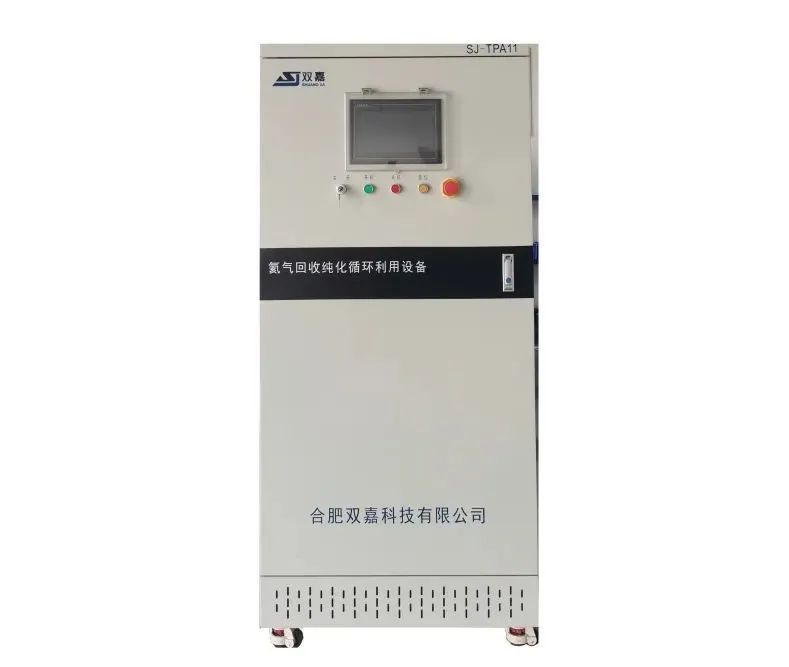
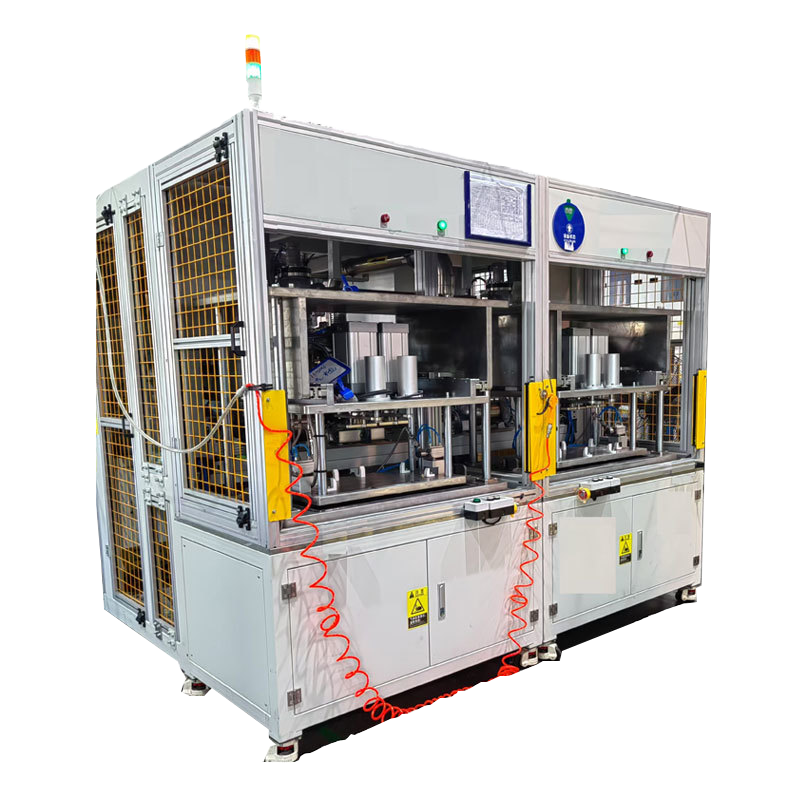
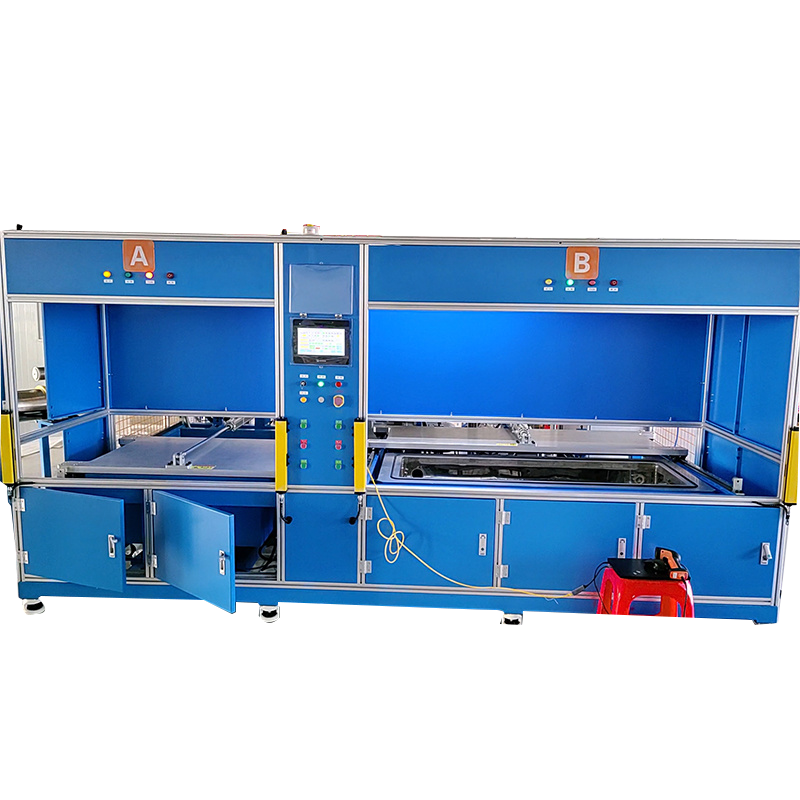
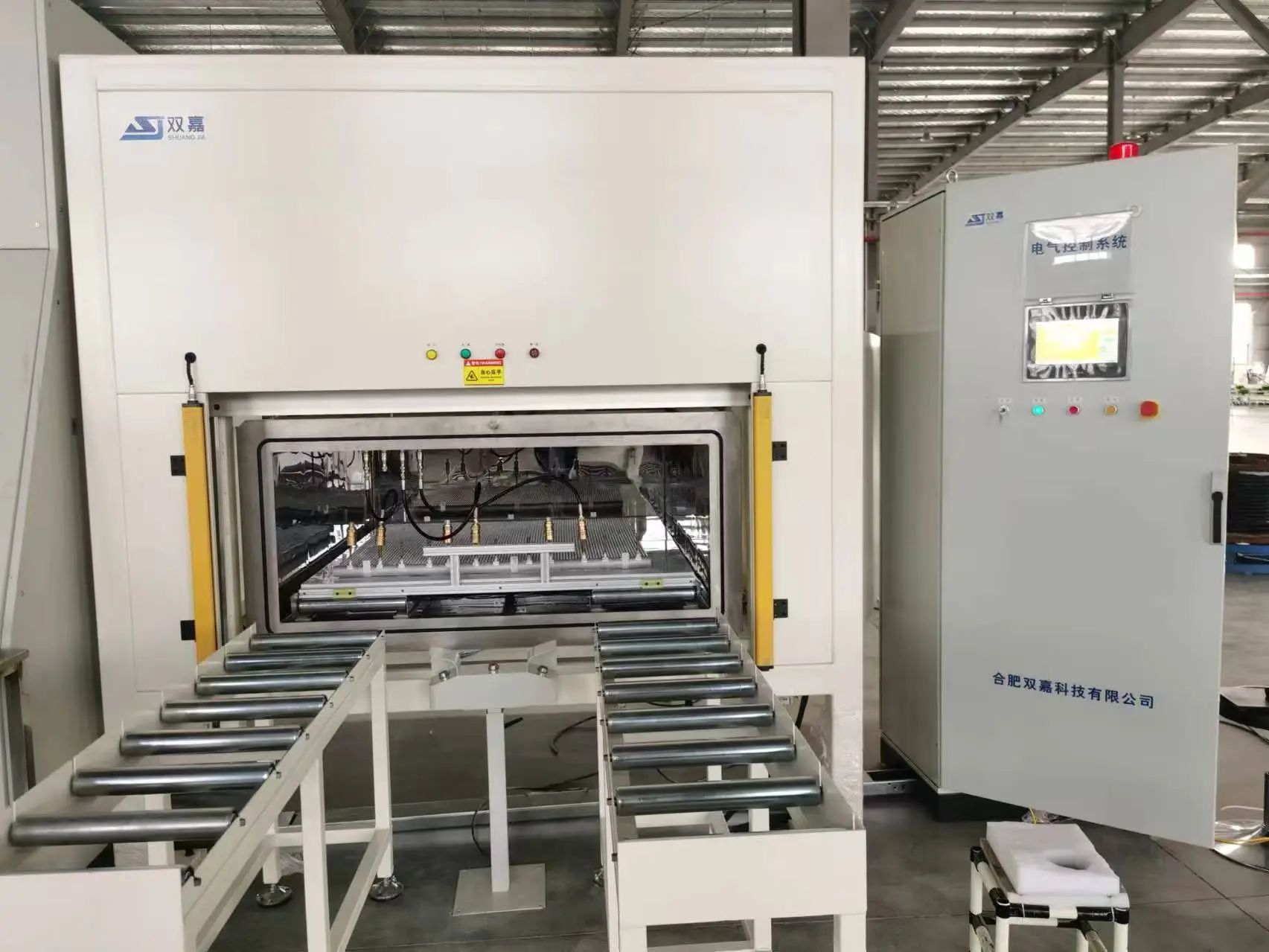
Helium recovery unit
Latest Blog


Add WeChat

Official account
Business Manager Chen
Technical Manager Ma
Address
Sports Intelligence Valley 507, Kexin Venture Service Center, 598 Fanhua West Road, Hefei City, Anhui Province
Copyright© Hefei Shuangjia Technology Co., Ltd www.300.cn SEO