

Information Details
Why Your Business Needs a Helium Purifier for Optimal Performance
Why Your Business Needs a Helium Purifier for Optimal Performance In today’s competitive industrial landscape, maintaining **optimal performance** is crucial for any business looking to thrive. One often-overlooked aspect of efficiency and quality is the purity of the gases used in various processes. Among these, helium plays a vital role in numerous applications, from scientific research to indus
Release time:
2026-05-02
Why Your Business Needs a Helium Purifier for Optimal Performance
In today’s competitive industrial landscape, maintaining **optimal performance** is crucial for any business looking to thrive. One often-overlooked aspect of efficiency and quality is the purity of the gases used in various processes. Among these, helium plays a vital role in numerous applications, from scientific research to industrial manufacturing. This article delves into why investing in a **helium purifier** is essential for your business’s success.
Understanding Helium and Its Applications
Helium is a noble gas, which means it is inert and does not react easily with other substances. This unique property makes it indispensable in several industries, including:
- **Medical Equipment**: Helium is used in MRI machines to cool superconducting magnets.
- **Semiconductor Manufacturing**: It is crucial for creating a vacuum atmosphere in the production of chips.
- **Laser Technology**: Helium-neon lasers are commonly used in various applications, including barcode scanning and holography.
- **Welding**: Inert gas shielded welding processes benefit from helium's non-reactive nature.
Each application requires high-quality helium to ensure that the processes run smoothly and efficiently.
The Importance of Helium Purity
Helium purity is paramount in industries where even minute contaminants can lead to significant issues. Impurities can cause:
- **Equipment Damage**: Contaminants can lead to corrosion or malfunction of sensitive equipment.
- **Reduced Efficiency**: Impure helium can alter the physical properties needed for optimal performance.
- **Increased Costs**: Downtime due to equipment failure or inefficiencies can escalate operational costs.
Ensuring that the helium used in your processes is pure can mitigate these risks and enhance overall productivity.
What is a Helium Purifier?
A helium purifier is a specialized device designed to remove impurities from helium gas. These purifiers typically use advanced filtration techniques, such as:
- **Cryogenic Distillation**: This method separates impurities based on their different boiling points.
- **Adsorption**: Utilizing materials like activated carbon, this technique traps impurities while allowing pure helium to pass through.
- **Membrane Separation**: This technology uses selective permeability to separate gases based on their molecular size.
Investing in a helium purifier ensures that the gas you use meets the necessary purity standards required for your specific application.
Benefits of Investing in a Helium Purifier
Understanding the benefits of having a helium purifier can help you make an informed decision. Here are some compelling reasons to invest in this technology:
1. Enhanced Process Efficiency
With a helium purifier, you can ensure that the gas being used in your operations is free from contaminants. This purity leads to enhanced efficiency in processes that rely on helium, resulting in improved output and lower energy consumption.
2. Cost Savings
While the initial investment in a helium purifier may seem high, the long-term cost savings can be significant. By minimizing equipment damage and reducing downtime, your business can save money in the long run. Additionally, purified helium can lead to less waste and more efficient material usage.
3. Improved Product Quality
In industries where product quality is paramount, such as semiconductor manufacturing, using purified helium is essential. Contaminants can adversely affect the properties of the final product, leading to failures and recalls. A helium purifier ensures that the gas used maintains the quality standards your business requires.
4. Compliance with Industry Standards
Many industries have strict regulations regarding gas purity. By investing in a helium purifier, you can ensure compliance with these regulations, reducing the risk of fines and legal issues that can arise from using impure gases.
5. Environmental Responsibility
With growing awareness of environmental issues, businesses are under pressure to reduce their carbon footprint. A helium purifier can contribute to this goal by minimizing waste and ensuring that gases are reused effectively, leading to a more sustainable operation.
Choosing the Right Helium Purifier for Your Business
Selecting the right helium purifier is crucial for maximizing its benefits. Here are some factors to consider:
1. Purity Levels Required
Different applications require different levels of gas purity. Understanding the specific purity requirements for your processes will help you choose a purifier that matches your needs.
2. Flow Rate
The flow rate of the purifier should meet the demands of your operations. It’s essential to assess your gas consumption and choose a unit that can handle your peak usage without compromising performance.
3. Maintenance Requirements
Regular maintenance is crucial for keeping your helium purifier operational. Look for models that are easy to maintain and come with comprehensive support options.
4. Initial and Operating Costs
While upfront costs are essential, considering the operational costs over time is equally important. Evaluate energy consumption, maintenance costs, and the lifespan of the purifier to make a well-rounded decision.
5. Manufacturer Reputation
Research manufacturers and read reviews to ensure you invest in a high-quality product from a reputable company. A trusted manufacturer will offer better support, warranties, and reliability.
How a Helium Purifier Works: A Closer Look
To fully appreciate the value of a helium purifier, it’s essential to understand how it operates. Here’s a step-by-step breakdown of the purification process:
1. Inlet Gas Analysis
The process begins with analyzing the incoming helium gas to determine the types and concentrations of impurities.
2. Pre-Filtration
Before entering the main purification system, the gas may pass through pre-filters that capture larger particles and moisture, protecting the main purification components.
3. Main Purification Process
Depending on the technology used, the gas is subjected to one or more purification methods, such as cryogenic distillation or adsorption. During this phase, the impurities are removed, ensuring only high-purity helium exits the system.
4. Post-Filtering and Quality Control
The purified helium goes through additional quality checks to confirm it meets specified purity standards before being released for use.
Common Industries That Benefit from Helium Purifiers
Several industries can greatly benefit from integrating helium purifiers into their operations:
1. Healthcare and Medical Technology
In the healthcare sector, MRI systems are a prime example where helium purity is essential for optimal performance. Helium purifiers ensure the reliability and efficiency of these critical machines.
2. Electronics and Semiconductor Manufacturing
Semiconductor production is highly sensitive to gas impurities. Using purified helium allows manufacturers to maintain high standards in microchip production, leading to better product quality.
3. Aerospace and Defense
The aerospace industry requires ultra-pure helium for various applications, including propulsion and instrumentation. Helium purifiers help meet stringent purity requirements for these high-stakes applications.
4. Research and Development Laboratories
In research settings, the purity of gases used in experiments can dramatically affect outcomes. Helium purifiers provide consistent gas quality for reliable results.
5. Welding and Fabrication
In welding applications, pure helium is often used to provide an inert atmosphere. Helium purifiers ensure that the gas is free from contaminants that could affect the weld quality.
FAQs About Helium Purifiers
1. How often should I replace the filters in my helium purifier?
The frequency of filter replacement depends on the usage and the specific model of the purifier. Regular monitoring and maintenance checks will help determine the optimal replacement schedule.
2. Can a helium purifier be used for other gases?
Most helium purifiers are designed specifically for helium. Using them for other gases may not yield the desired purity levels and could damage the system.
3. What are the signs that my helium purifier needs maintenance?
Signs include a drop in gas flow, changes in gas quality, unusual noises, or error messages on the control panel. Regular maintenance checks can prevent major issues.
4. Are helium purifiers energy-efficient?
Many modern helium purifiers are designed with energy efficiency in mind. Look for models that have been certified for low energy consumption to minimize operational costs.
5. Is it feasible for small businesses to invest in a helium purifier?
While the initial investment can be significant, the long-term benefits, including cost savings and improved product quality, often justify the expense, making it a viable option for small businesses.
Conclusion
Investing in a helium purifier is not just a choice; it's a strategic move that can significantly enhance your business's performance. With the ability to improve process efficiency, reduce costs, and ensure product quality, helium purifiers are invaluable assets across various industries. Understanding the specific needs of your operations and choosing the right purifier will position your business for success in an ever-evolving market. Embracing this technology ensures that your helium usage is optimized, paving the way for greater productivity and quality in your industrial processes.
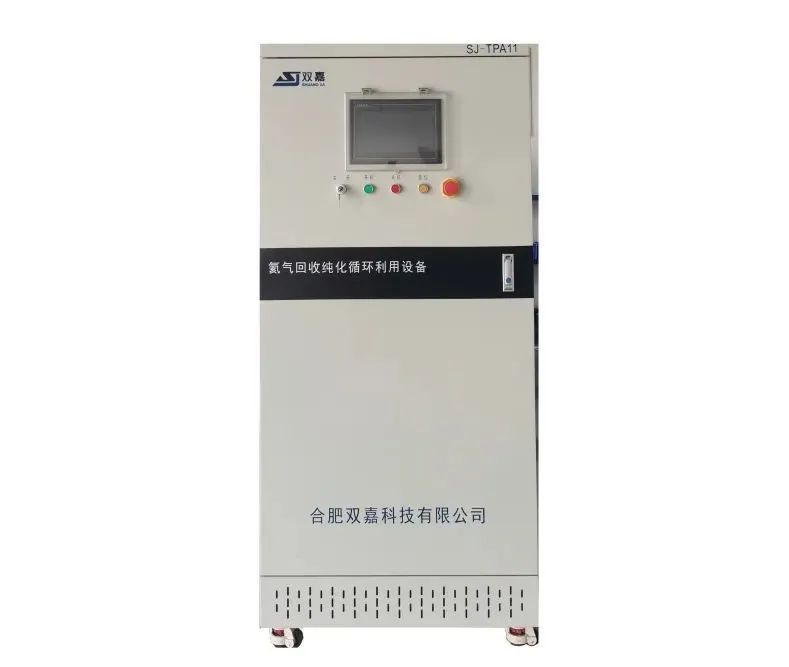
Helium purifier
Latest Blog


Add WeChat

Official account
Business Manager Chen
Technical Manager Ma
Address
Sports Intelligence Valley 507, Kexin Venture Service Center, 598 Fanhua West Road, Hefei City, Anhui Province
Copyright© Hefei Shuangjia Technology Co., Ltd www.300.cn SEO