

Information Details
Mastering Helium Purification Systems: Essential Insights for Industrial Applications
Helium purification systems are crucial in ensuring the effective extraction and refinement of helium from natural sources or recycling processes. Helium, a noble gas with unique properties, is widely used in medical imaging, electronics, and scientific research. However, the presence of impurities can significantly affect its performance in these applications. Therefore, understanding the compone
Release time:
2026-05-13
The first step in helium purification involves identifying the specific impurities present in the helium source. Common contaminants include nitrogen, hydrogen, and moisture. Each of these impurities can impact the quality and usability of helium, making a thorough analysis critical. Advanced helium purification systems utilize a combination of adsorption, cryogenic distillation, and membrane separation technologies to achieve high purity levels, often exceeding 99.999%. By selecting the appropriate technology based on the specific contaminant profile, professionals can ensure optimal purification results.
One of the primary methods used in helium purification is the cryogenic distillation process. This method capitalizes on the different boiling points of gases, allowing for the separation of helium from other constituents. The cryogenic process involves cooling the gas mixture to extremely low temperatures, where helium can be separated as it remains gaseous while other impurities condense into liquids. This technique is highly effective for large-scale helium production and is often used in industrial settings.
Another innovative approach is membrane separation technology. This method employs selective permeable membranes that allow helium molecules to pass through while blocking larger contaminants. It is a more energy-efficient option compared to cryogenic distillation, making it suitable for smaller operations or applications where energy costs are a significant concern.
Furthermore, the maintenance of helium purification systems is paramount for sustained performance. Regular monitoring of system parameters, such as pressure, flow rates, and purity levels, is essential. Implementing a data-driven approach, including the use of IoT sensors and analytics, can provide real-time insights into system performance, enabling timely interventions and reducing downtime.
In conclusion, helium purification systems are integral to achieving high-quality helium for various industrial applications. By understanding the purification methods, maintaining equipment effectively, and monitoring system performance, professionals in the industrial equipment and components sector can drive efficiency and enhance the quality of their output. As the demand for high-purity helium continues to rise, staying informed about the latest advancements in purification technologies will be key to remaining competitive in the marketplace.
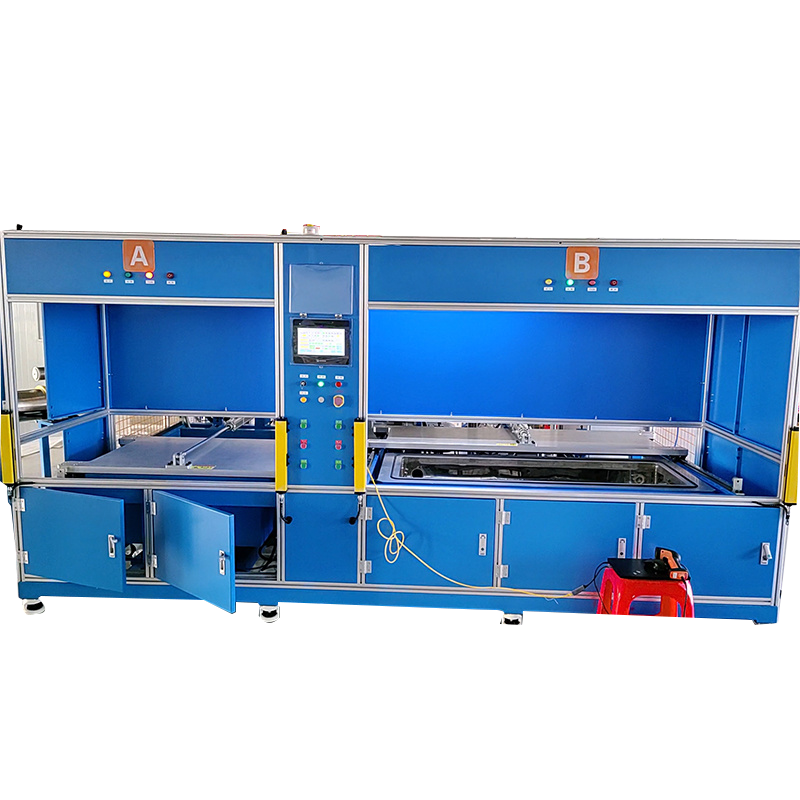
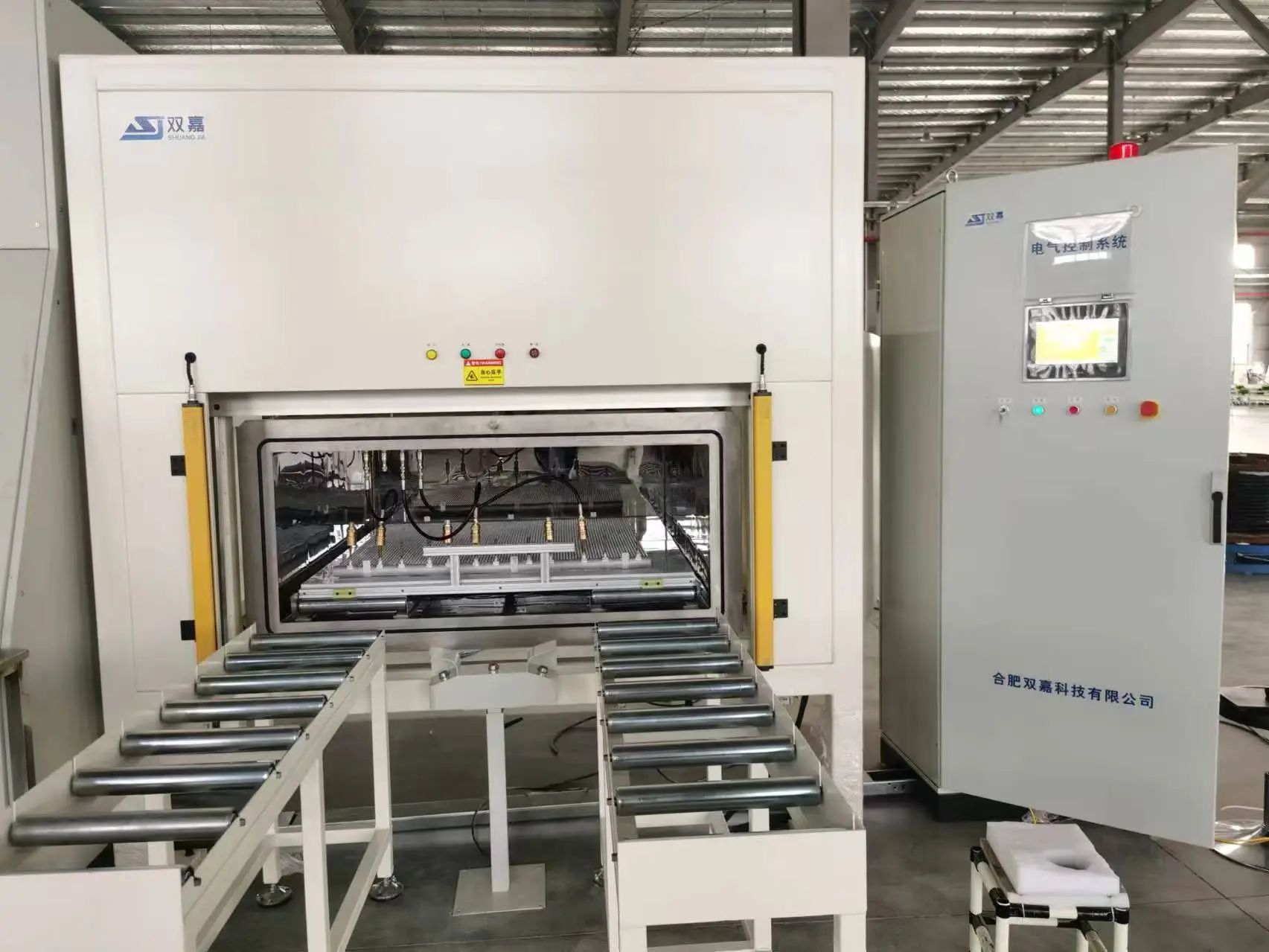
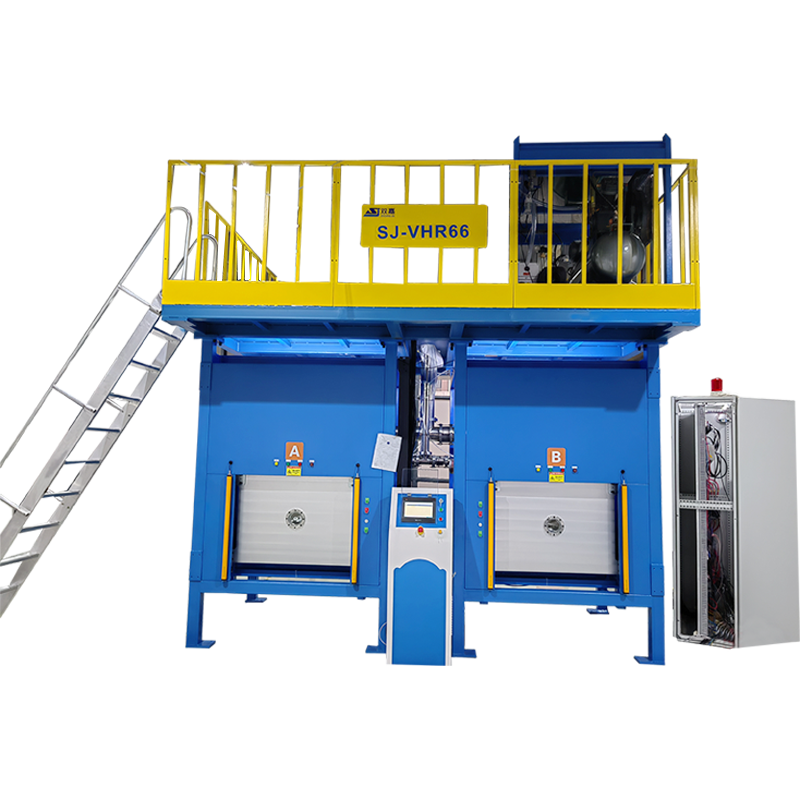
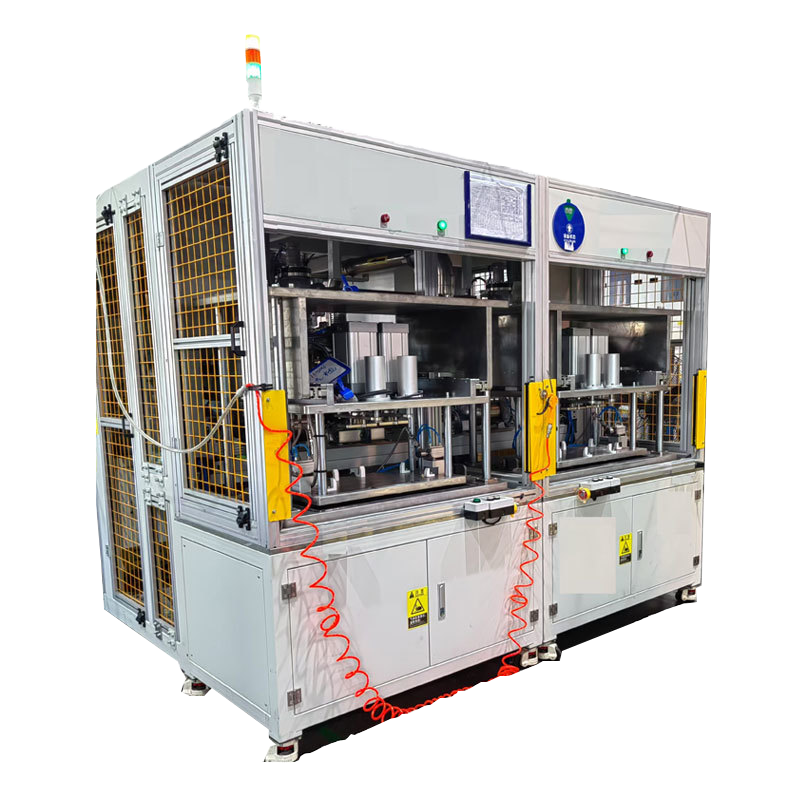
Helium purification system
Latest Blog

Add WeChat

Official account
Business Manager Chen
Technical Manager Ma
Address
Sports Intelligence Valley 507, Kexin Venture Service Center, 598 Fanhua West Road, Hefei City, Anhui Province
Copyright© Hefei Shuangjia Technology Co., Ltd www.300.cn SEO