

Information Details
Why Helium Gas Analysis is Essential for Your Vacuum Chamber
Why Helium Gas Analysis is Essential for Your Vacuum Chamber Vacuum chambers are pivotal in various industries, from semiconductor manufacturing to scientific research. Ensuring the integrity of these chambers is crucial for effective operations and safety. One of the most effective ways to monitor vacuum integrity is through **helium gas analysis**. This article delves into the importance of heli
Release time:
2025-12-13
Why Helium Gas Analysis is Essential for Your Vacuum Chamber
Vacuum chambers are pivotal in various industries, from semiconductor manufacturing to scientific research. Ensuring the integrity of these chambers is crucial for effective operations and safety. One of the most effective ways to monitor vacuum integrity is through **helium gas analysis**. This article delves into the importance of helium gas analysis, its applications, and how it enhances the reliability of your vacuum systems.
Understanding Vacuum Chambers and Their Importance
Vacuum chambers are sealed environments where atmospheric pressure is significantly reduced. This reduction allows for various processes, including:
- **Material Testing**: Used in research and development for new materials.
- **Thin Film Deposition**: Essential in electronics and optics.
- **Chemical Reactions**: Facilitates reactions that require controlled environments.
Each application requires a high level of vacuum integrity to ensure accurate results and product quality.
The Role of Leak Detection in Vacuum Systems
Leak detection is a paramount concern for maintaining vacuum integrity. Even the smallest leak can compromise the efficiency and effectiveness of the vacuum chamber. Helium gas analysis serves as one of the most reliable methods for detecting these leaks.
Why Helium? The Advantages of Helium as a Tracer Gas
Helium is often chosen as a tracer gas due to several key properties:
1. **Small Atomic Size**: Helium's small atomic size allows it to easily escape through tiny leaks.
2. **Inert Nature**: Being chemically inert, helium does not react with other materials, ensuring it doesn’t affect the processes within the chamber.
3. **High Diffusion Rate**: Helium diffuses quickly, making it an effective gas for testing leak integrity.
These properties make helium an ideal candidate for vacuum system leak detection, contributing significantly to operational reliability.
How Helium Gas Analysis Works
The process of helium gas analysis involves introducing helium into the vacuum chamber and subsequently measuring its concentration. Here’s how it typically works:
1. **Chamber Preparation**
Before analysis, ensure the vacuum chamber is properly sealed and clean. Any contaminants can affect the measurement.
2. **Helium Introduction**
Helium is introduced into the chamber at a controlled pressure.
3. **Monitoring for Leaks**
After introducing helium, the system begins to monitor for any escaping gas. This is where helium detectors come into play, identifying any leaks based on changes in helium concentration.
4. **Data Analysis**
The data collected during the analysis is then evaluated. If helium is detected outside the chamber, it indicates a leak, and corrective actions can be taken.
Applications of Helium Gas Analysis in Various Industries
Helium gas analysis finds its applications across multiple sectors, enhancing the reliability of vacuum systems.
1. **Semiconductor Manufacturing**
In semiconductor manufacturing, maintaining a clean and controlled environment is critical. Helium leak detection ensures that vacuum conditions remain optimal, preventing contamination and defects in microchips.
2. **Pharmaceutical Industry**
In the pharmaceutical sector, vacuum chambers are used to manufacture sterile products. Helium gas analysis helps in ensuring the sterility and integrity of the products by detecting leaks that could introduce contaminants.
3. **Research and Development**
In R&D, the accuracy of experiments is paramount. Helium gas analysis can verify the vacuum conditions necessary for precise measurements, aiding scientists in producing reliable data.
4. **Food Packaging**
The food packaging industry benefits from helium leak detection to ensure that packaging integrity is maintained, preventing spoilage and extending shelf life.
5. **Aerospace Applications**
In aerospace, vacuum testing is crucial for components that must endure extreme conditions. Helium analysis ensures that these components are free from leaks, guaranteeing their reliability during missions.
Benefits of Regular Helium Gas Analysis
Integrating regular helium gas analysis into your vacuum chamber maintenance routine offers numerous benefits:
1. **Enhanced Reliability**
Regular monitoring ensures that any leaks are detected early, maintaining the integrity of the vacuum environment.
2. **Increased Efficiency**
By identifying leaks promptly, helium gas analysis reduces downtime and enhances operational efficiency, saving time and resources.
3. **Improved Quality Control**
In industries like pharmaceuticals and semiconductors, maintaining quality is crucial. Helium gas analysis ensures that vacuum systems are functioning optimally, contributing to high-quality outputs.
4. **Cost-Effectiveness**
Investing in helium gas analysis can lead to significant cost savings by preventing product loss due to contamination and ensuring equipment longevity.
Choosing the Right Helium Leak Detector
When selecting a helium leak detector, consider the following factors:
1. **Sensitivity**
Choose a detector with high sensitivity to detect even the smallest leaks.
2. **Speed**
Opt for a detector that provides quick results, minimizing downtime during testing.
3. **Ease of Use**
A user-friendly interface can streamline the testing process, making it accessible for operators.
4. **Portability**
For various applications, a portable helium leak detector can offer flexibility in testing multiple systems.
Best Practices for Helium Gas Analysis
To maximize the effectiveness of helium gas analysis, adhere to the following best practices:
1. **Regular Maintenance**
Ensure that your vacuum chamber and detection equipment are regularly maintained for optimal performance.
2. **Proper Training**
Train personnel adequately on testing procedures and the interpretation of results to enhance testing accuracy.
3. **Documentation**
Maintain detailed records of all helium gas analyses to track performance trends and identify potential issues early.
4. **Calibration**
Regular calibration of leak detection equipment is essential to ensure measurement accuracy and reliability.
FAQs About Helium Gas Analysis
1. What is helium gas analysis?
Helium gas analysis involves using helium as a tracer gas to detect leaks in vacuum chambers and systems, ensuring integrity and performance.
2. Why is helium preferred over other gases for leak detection?
Helium is chemically inert, has a small atomic size, and diffuses quickly, making it highly effective for identifying leaks.
3. How often should I conduct helium gas analysis?
Regular testing is recommended, depending on the specific application and industry standards, but generally, every few months or after maintenance work.
4. Can helium gas analysis be used in all vacuum systems?
Yes, helium gas analysis can be effectively used in various vacuum systems across different industries, including semiconductor, pharmaceutical, and aerospace.
5. What are the consequences of ignoring leak detection?
Ignoring leak detection can lead to compromised vacuum integrity, resulting in contamination, product defects, or system failures, ultimately affecting operational efficiency and safety.
Conclusion
In conclusion, **helium gas analysis** is an essential practice for maintaining the integrity and functionality of vacuum chambers across various industries. By leveraging the unique properties of helium, companies can ensure early leak detection, enhance operational efficiency, and maintain high-quality standards. Regular helium gas analysis not only safeguards product quality but also extends the lifespan of vacuum systems, ultimately contributing to a more efficient and reliable operational environment. Investing in this technology is not just a choice; it is a necessity for any industry relying on vacuum systems.
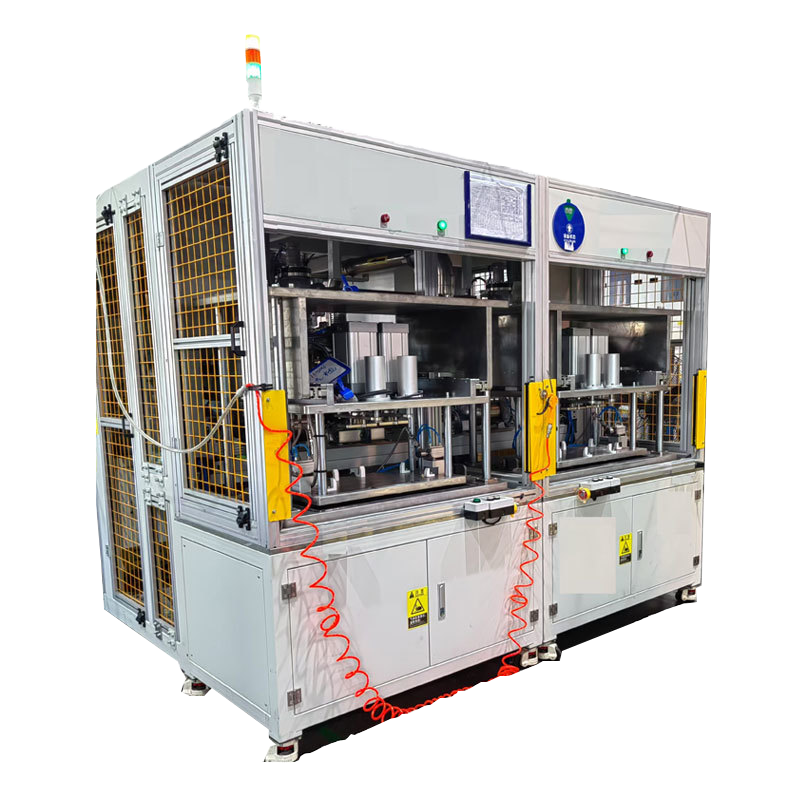
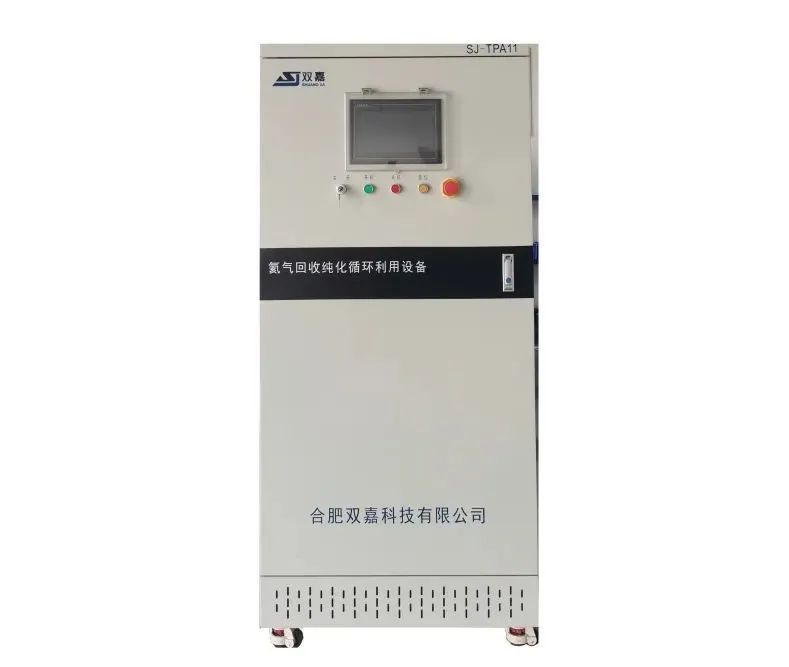
Helium gas analyzer for vacuum chamber
Previous Page
Previous Page
Latest Blog


Add WeChat

Official account
Business Manager Chen
Technical Manager Ma
Address
Sports Intelligence Valley 507, Kexin Venture Service Center, 598 Fanhua West Road, Hefei City, Anhui Province
Copyright© Hefei Shuangjia Technology Co., Ltd www.300.cn SEO